Buy casa-antigo.eu ?
We are moving the project
casa-antigo.eu .
Are you interested in purchasing the domain
casa-antigo.eu ?
domain@kv-gmbh.de · 0541-91531010
Buy casa-antigo.eu ?
What is faster, SN1 or SN2?
SN2 reactions are generally faster than SN1 reactions. This is because SN2 reactions involve a single step where the nucleophile attacks the substrate at the same time the leaving group leaves, leading to a concerted mechanism. In contrast, SN1 reactions proceed through a two-step mechanism involving the formation of a carbocation intermediate, which can be a slower step. Additionally, the rate of SN2 reactions is dependent on the concentration of both the substrate and the nucleophile, while the rate of SN1 reactions is only dependent on the concentration of the substrate. **
Which reaction, SN1 or SN2, occurs in secondary halogen cycloalkanes?
In secondary halogen cycloalkanes, the SN1 reaction is more likely to occur. This is because the SN1 reaction involves a two-step process where the leaving group leaves first, forming a carbocation intermediate, and then the nucleophile attacks. The stability of the carbocation intermediate is important, and in secondary halogen cycloalkanes, the carbocation intermediate is more stable due to the presence of the neighboring alkyl groups. This makes the SN1 reaction more favorable in secondary halogen cycloalkanes compared to the SN2 reaction. **


Similar search terms for SN2
Top-Angebote
Products related to SN2:
-
Uplift Picks Vintage Retro Telephone Decor Antique Style Home Desk Ornament Vintage Retro Telephone Decor Antique Style Home Desk OrnamentAdd timeless charm to your space with this beautifully crafted vintage telephone decor. Designed for those who appreciate classic aesthetics, this retro phone ornament brings a sense of nostalgia and character to any room. Its aged and weathered...85,99 $*Shipping: 0,00 $Secure redirect to the provider
-
Inspire Essentials Vintage Retro Telephone Decor Antique Style Home Accent Ornament Vintage Retro Telephone Decor Antique Style Home Accent OrnamentAdd a nostalgic charm to your space with this beautifully designed vintage telephone decor. Perfect for those who love classic aesthetics it brings a sense of history and character into any room. The aged finish and detailed craftsmanship make this...52,48 $*Shipping: 0,00 $Secure redirect to the provider
-
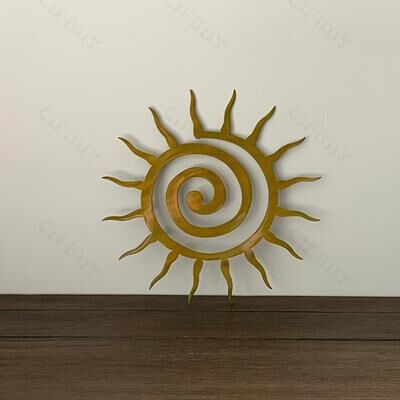
ModernMart Antique Coiled Star Metal Wall Sculpture For Outdoor Wall Decor & Rustic Garden Accent Antique Coiled Star Metal Wall Sculpture For Outdoor Wall Decor & Rustic Garden AccentTransform any blank wall into a statement of charm and personality with this beautifully crafted metal wall sculpture. Designed for homeowners who love rustic elegance, it adds depth and artistic flair to patios, verandahs, and indoor spaces alike....39,97 $*Shipping: 0,00 $Secure redirect to the provider



-
Which type of nucleophilic substitution is known as SN1 or SN2?
The type of nucleophilic substitution known as SN1 or SN2 is SN1 (Substitution Nucleophilic Unimolecular) and SN2 (Substitution Nucleophilic Bimolecular). SN1 reactions proceed through a two-step mechanism involving the formation of a carbocation intermediate, while SN2 reactions occur in a single step with simultaneous bond formation and bond breaking. The choice between SN1 and SN2 mechanisms depends on factors such as the nature of the substrate, nucleophile, and solvent. **
-
For antique rustic oak furniture that you would like to lighten, what type of wood would be suitable?
For antique rustic oak furniture that you would like to lighten, a suitable wood type would be pine. Pine is a lighter wood with a natural grain that can complement the rustic style of the oak furniture. It is also easier to work with and can be stained or painted to achieve the desired lighter finish. Additionally, pine is a durable wood that can withstand the wear and tear of everyday use, making it a practical choice for furniture restoration. **
-
What is the question about the SN1 and SN2 reactions in chemistry?
The question about SN1 and SN2 reactions in chemistry typically revolves around the differences between these two types of nucleophilic substitution reactions. Students may be asked to compare the reaction mechanisms, the role of the solvent, the stereochemistry of the products, and the factors that influence the reaction rate. Additionally, they may be asked to predict the major products of a given reaction based on the reaction conditions and the nature of the substrate. **
-
According to which mechanism do the two molecules react: SN1, SN2, E1, or E2?
The mechanism by which two molecules react depends on the specific reaction conditions and the nature of the reactants. If the reaction involves a nucleophile attacking a substrate and forming a carbocation intermediate, it is likely to proceed via an SN1 mechanism. On the other hand, if the reaction involves a nucleophile directly displacing a leaving group in a single step, it is more likely to proceed via an SN2 mechanism. E1 and E2 mechanisms involve the elimination of a leaving group to form a double bond, with E1 involving the formation of a carbocation intermediate and E2 occurring in a single step with the nucleophile acting as a base. **

Is the synthesis of 1-bromopropane in the laboratory an SN1 or SN2 mechanism?
The synthesis of 1-bromopropane in the laboratory typically follows an SN2 (nucleophilic substitution bimolecular) mechanism. In this mechanism, the nucleophile directly attacks the substrate, displacing the leaving group in a single step. This is favored for primary alkyl halides like 1-bromopropane due to the absence of steric hindrance. SN1 (nucleophilic substitution unimolecular) mechanisms are more common for tertiary alkyl halides where the carbocation intermediate is stabilized by surrounding alkyl groups. **
When does nucleophilic substitution occur via the SN1 and when via the SN2 mechanism?
Nucleophilic substitution occurs via the SN1 mechanism when the substrate is a tertiary or secondary alkyl halide, as the carbocation intermediate formed in the reaction is stabilized by the surrounding alkyl groups. On the other hand, nucleophilic substitution occurs via the SN2 mechanism when the substrate is a primary or methyl alkyl halide, as the backside attack of the nucleophile on the substrate occurs simultaneously with the departure of the leaving group. The choice between SN1 and SN2 mechanisms depends on the nature of the substrate and the reaction conditions. **
Top-Angebote
Products related to SN2:
-
Union Rustic Antigo Solid Wood Bench Natural Mango H45 x W200 x D46cmMade from solid Mango wood with a distressed steel handle and its trestle style table this range mixes traditional style with a modern twist. Handmade in India you will see marks of where the artisan had built this piece, pinheads are common, and you may seesaw and chisel marks also the different grains and naturally occurring shakes in the wood make this truly unique. If you appreciate rural craftsmanship and want an item that will make a statement in your home this is for you. Union Rustic Size: H45 x W200 x D46cm319,99 £*Shipping: 19,99 £Secure redirect to the provider
-
Union Rustic Antigo Solid Wood Bench Natural Mango H45 x W135 x D46cmMade from solid Mango wood with a distressed steel handle and its trestle style table this range mixes traditional style with a modern twist. Handmade in India you will see marks of where the artisan had built this piece, pinheads are common, and you may seesaw and chisel marks also the different grains and naturally occurring shakes in the wood make this truly unique. If you appreciate rural craftsmanship and want an item that will make a statement in your home this is for you. Union Rustic Size: H45 x W135 x D46cm244,99 £*Shipping: 0,00 £Secure redirect to the provider
-
Uplift Picks Vintage Retro Telephone Decor Antique Style Home Desk Ornament Vintage Retro Telephone Decor Antique Style Home Desk OrnamentAdd timeless charm to your space with this beautifully crafted vintage telephone decor. Designed for those who appreciate classic aesthetics, this retro phone ornament brings a sense of nostalgia and character to any room. Its aged and weathered...85,99 $*Shipping: 0,00 $Secure redirect to the provider
-
Inspire Essentials Vintage Retro Telephone Decor Antique Style Home Accent Ornament Vintage Retro Telephone Decor Antique Style Home Accent OrnamentAdd a nostalgic charm to your space with this beautifully designed vintage telephone decor. Perfect for those who love classic aesthetics it brings a sense of history and character into any room. The aged finish and detailed craftsmanship make this...52,48 $*Shipping: 0,00 $Secure redirect to the provider
-
What is faster, SN1 or SN2?
SN2 reactions are generally faster than SN1 reactions. This is because SN2 reactions involve a single step where the nucleophile attacks the substrate at the same time the leaving group leaves, leading to a concerted mechanism. In contrast, SN1 reactions proceed through a two-step mechanism involving the formation of a carbocation intermediate, which can be a slower step. Additionally, the rate of SN2 reactions is dependent on the concentration of both the substrate and the nucleophile, while the rate of SN1 reactions is only dependent on the concentration of the substrate. **
-
Which reaction, SN1 or SN2, occurs in secondary halogen cycloalkanes?
In secondary halogen cycloalkanes, the SN1 reaction is more likely to occur. This is because the SN1 reaction involves a two-step process where the leaving group leaves first, forming a carbocation intermediate, and then the nucleophile attacks. The stability of the carbocation intermediate is important, and in secondary halogen cycloalkanes, the carbocation intermediate is more stable due to the presence of the neighboring alkyl groups. This makes the SN1 reaction more favorable in secondary halogen cycloalkanes compared to the SN2 reaction. **
-
Which type of nucleophilic substitution is known as SN1 or SN2?
The type of nucleophilic substitution known as SN1 or SN2 is SN1 (Substitution Nucleophilic Unimolecular) and SN2 (Substitution Nucleophilic Bimolecular). SN1 reactions proceed through a two-step mechanism involving the formation of a carbocation intermediate, while SN2 reactions occur in a single step with simultaneous bond formation and bond breaking. The choice between SN1 and SN2 mechanisms depends on factors such as the nature of the substrate, nucleophile, and solvent. **
-
For antique rustic oak furniture that you would like to lighten, what type of wood would be suitable?
For antique rustic oak furniture that you would like to lighten, a suitable wood type would be pine. Pine is a lighter wood with a natural grain that can complement the rustic style of the oak furniture. It is also easier to work with and can be stained or painted to achieve the desired lighter finish. Additionally, pine is a durable wood that can withstand the wear and tear of everyday use, making it a practical choice for furniture restoration. **
Similar search terms for SN2
-
ModernMart Antique Coiled Star Metal Wall Sculpture For Outdoor Wall Decor & Rustic Garden Accent Antique Coiled Star Metal Wall Sculpture For Outdoor Wall Decor & Rustic Garden AccentTransform any blank wall into a statement of charm and personality with this beautifully crafted metal wall sculpture. Designed for homeowners who love rustic elegance, it adds depth and artistic flair to patios, verandahs, and indoor spaces alike....39,97 $*Shipping: 0,00 $Secure redirect to the provider
-
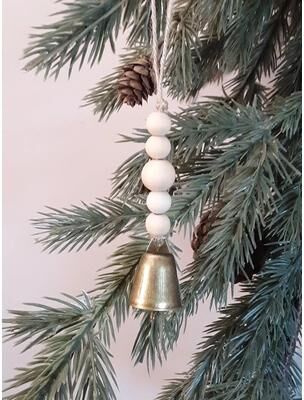
Inspire Select Vintage Hanging Cow Bells Christmas Ornaments Rustic Antique Bell Tree Decorations cow BellAdd timeless rustic charm to your holiday dcor with ornaments that capture the warmth of traditional Christmas celebrations. These beautiful vintage Christmas bell ornaments feature an antiquestyle cow bell design that brings a classic farmhouse...44,95 $*Shipping: 0,00 $Secure redirect to the provider
-
SAFAVIEH Antique Patina Glwadys Traditional RugDiscover timeless elegance with SAFAVIEH's Antique Patina Collection. Machine-made from easy-care, silky polyester fibers with a sleek pile, these area rugs effortlessly combine convenience with luxury.482,79 $*Shipping: 0,00 $Secure redirect to the provider
-
What is the question about the SN1 and SN2 reactions in chemistry?
The question about SN1 and SN2 reactions in chemistry typically revolves around the differences between these two types of nucleophilic substitution reactions. Students may be asked to compare the reaction mechanisms, the role of the solvent, the stereochemistry of the products, and the factors that influence the reaction rate. Additionally, they may be asked to predict the major products of a given reaction based on the reaction conditions and the nature of the substrate. **
-
According to which mechanism do the two molecules react: SN1, SN2, E1, or E2?
The mechanism by which two molecules react depends on the specific reaction conditions and the nature of the reactants. If the reaction involves a nucleophile attacking a substrate and forming a carbocation intermediate, it is likely to proceed via an SN1 mechanism. On the other hand, if the reaction involves a nucleophile directly displacing a leaving group in a single step, it is more likely to proceed via an SN2 mechanism. E1 and E2 mechanisms involve the elimination of a leaving group to form a double bond, with E1 involving the formation of a carbocation intermediate and E2 occurring in a single step with the nucleophile acting as a base. **
-
Is the synthesis of 1-bromopropane in the laboratory an SN1 or SN2 mechanism?
The synthesis of 1-bromopropane in the laboratory typically follows an SN2 (nucleophilic substitution bimolecular) mechanism. In this mechanism, the nucleophile directly attacks the substrate, displacing the leaving group in a single step. This is favored for primary alkyl halides like 1-bromopropane due to the absence of steric hindrance. SN1 (nucleophilic substitution unimolecular) mechanisms are more common for tertiary alkyl halides where the carbocation intermediate is stabilized by surrounding alkyl groups. **
-
When does nucleophilic substitution occur via the SN1 and when via the SN2 mechanism?
Nucleophilic substitution occurs via the SN1 mechanism when the substrate is a tertiary or secondary alkyl halide, as the carbocation intermediate formed in the reaction is stabilized by the surrounding alkyl groups. On the other hand, nucleophilic substitution occurs via the SN2 mechanism when the substrate is a primary or methyl alkyl halide, as the backside attack of the nucleophile on the substrate occurs simultaneously with the departure of the leaving group. The choice between SN1 and SN2 mechanisms depends on the nature of the substrate and the reaction conditions. **
* All prices are inclusive of VAT and, if applicable, plus shipping costs. The offer information is based on the details provided by the respective shop and is updated through automated processes. Real-time updates do not occur, so deviations can occur in individual cases. ** Note: Parts of this content were created by AI.