Buy casa-antigo.eu ?
We are moving the project
casa-antigo.eu .
Are you interested in purchasing the domain
casa-antigo.eu ?
domain@kv-gmbh.de · 0541-91531010
Buy casa-antigo.eu ?
What does 'leur' and 'lui' mean?
In French, 'leur' is a pronoun that means 'their' or 'them' when referring to a group of people or things. It is used to indicate possession or indirect object. On the other hand, 'lui' is a pronoun that means 'him' or 'her' when referring to a singular person. It is used to indicate possession or as an indirect object. **
How is "eux" or "leur" used in French?
"Eux" and "leur" are both pronouns used in French to refer to people or things. "Eux" is used as a direct object pronoun to replace a group of people or things, while "leur" is used as an indirect object pronoun to replace a group of people. For example, "Je les ai vus" (I saw them) uses "les" as a direct object pronoun, while "Je leur ai parlé" (I spoke to them) uses "leur" as an indirect object pronoun. **
Similar search terms for Leur
Top-Angebote
Products related to Leur:
-
Inspire Essentials Vintage Retro Telephone Decor Antique Style Home Accent Ornament Vintage Retro Telephone Decor Antique Style Home Accent OrnamentAdd a nostalgic charm to your space with this beautifully designed vintage telephone decor. Perfect for those who love classic aesthetics it brings a sense of history and character into any room. The aged finish and detailed craftsmanship make this...52,48 $*Shipping: 0,00 $Secure redirect to the provider
-
Uplift Picks Vintage Retro Telephone Decor Antique Style Home Desk Ornament Vintage Retro Telephone Decor Antique Style Home Desk OrnamentAdd timeless charm to your space with this beautifully crafted vintage telephone decor. Designed for those who appreciate classic aesthetics, this retro phone ornament brings a sense of nostalgia and character to any room. Its aged and weathered...85,99 $*Shipping: 0,00 $Secure redirect to the provider
-
ModernMart Antique Coiled Star Metal Wall Sculpture For Outdoor Wall Decor & Rustic Garden Accent Antique Coiled Star Metal Wall Sculpture For Outdoor Wall Decor & Rustic Garden AccentTransform any blank wall into a statement of charm and personality with this beautifully crafted metal wall sculpture. Designed for homeowners who love rustic elegance, it adds depth and artistic flair to patios, verandahs, and indoor spaces alike....39,97 $*Shipping: 0,00 $Secure redirect to the provider




-
How are the object pronouns lui and leur used?
The object pronouns lui and leur are used to replace indirect objects in French. Lui is used to replace singular indirect objects, while leur is used to replace plural indirect objects. These pronouns come before the verb in a sentence and agree in gender and number with the noun they are replacing. For example, "Je lui parle" means "I am talking to him/her" and "Je leur donne des cadeaux" means "I am giving them gifts." **
-
What is the difference between ses, leur and leurs?
Ses, leur, and leurs are all possessive adjectives in French, but they are used in different contexts. "Ses" is used to indicate possession by a singular third person, "leur" is used for a singular third person, and "leurs" is used for plural third person. For example, "ses chaussures" means "his/her shoes," "leur maison" means "their house," and "leurs voitures" means "their cars." It's important to pay attention to the number and gender of the noun being possessed in order to choose the correct possessive adjective. **
-
'I don't understand the use of lui and leur?'
In French, "lui" and "leur" are both used as indirect object pronouns to replace nouns that are the recipients of the action. "Lui" is used to refer to a singular masculine or feminine noun, while "leur" is used to refer to a plural noun. For example, "Je lui ai donné le livre" means "I gave him/her the book," and "Je leur ai donné les livres" means "I gave them the books." It's important to remember that these pronouns must agree in gender and number with the noun they are replacing. **
-
When do I use leur and leurs in French?
You use "leur" when you want to indicate possession or belonging for a singular noun, and "leurs" when you want to indicate possession or belonging for plural nouns. For example, "leur maison" means "their house" (singular), and "leurs voitures" means "their cars" (plural). **

How do you use the object pronouns lui and leur?
The object pronoun "lui" is used to replace indirect objects referring to a singular person, while "leur" is used to replace indirect objects referring to plural people. For example, "Je lui parle" means "I am talking to him/her" and "Je leur donne des cadeaux" means "I am giving gifts to them." These pronouns come before the verb in a sentence and help avoid repetition of the indirect object. **
What is the difference in French between 'ses' and 'leur'?
In French, 'ses' is a possessive adjective that is used to show possession for a singular noun that is masculine or feminine. It is used when referring to something that belongs to a third person. On the other hand, 'leur' is also a possessive adjective, but it is used for plural nouns. It is used when referring to something that belongs to a third person in the plural form. **
Top-Angebote
Products related to Leur:
-
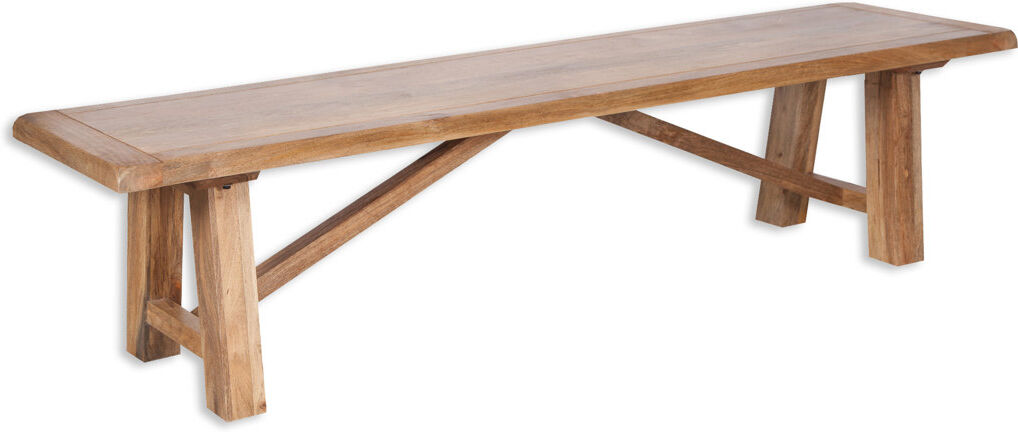
Union Rustic Antigo Upholstered Bench Natural Mango H45 x W200 x D46cmMade from solid Mango wood with a distressed steel handle and its trestle style table this range mixes traditional style with a modern twist. Handmade in India you will see marks of where the artisan had built this piece, pinheads are common, and you may seesaw and chisel marks also the different grains and naturally occurring shakes in the wood make this truly unique. If you appreciate rural craftsmanship and want an item that will make a statement in your home this is for you. Union Rustic Size: H45 x W200 x D46cm324,99 £*Shipping: 19,99 £Secure redirect to the provider
-
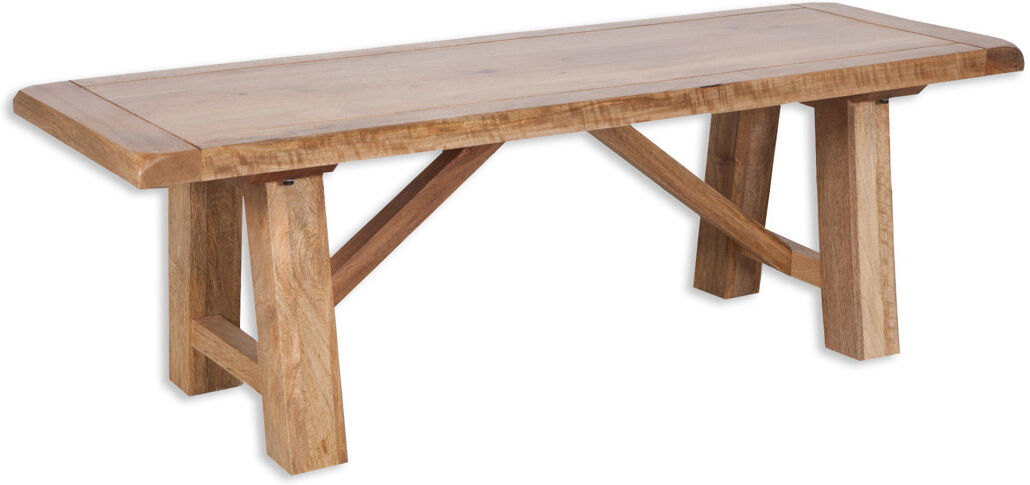
Union Rustic Antigo Upholstered Bench Natural Mango H45 x W135 x D46cmMade from solid Mango wood with a distressed steel handle and its trestle style table this range mixes traditional style with a modern twist. Handmade in India you will see marks of where the artisan had built this piece, pinheads are common, and you may seesaw and chisel marks also the different grains and naturally occurring shakes in the wood make this truly unique. If you appreciate rural craftsmanship and want an item that will make a statement in your home this is for you. Union Rustic Size: H45 x W135 x D46cm229,99 £*Shipping: 19,99 £Secure redirect to the provider
-
Inspire Essentials Vintage Retro Telephone Decor Antique Style Home Accent Ornament Vintage Retro Telephone Decor Antique Style Home Accent OrnamentAdd a nostalgic charm to your space with this beautifully designed vintage telephone decor. Perfect for those who love classic aesthetics it brings a sense of history and character into any room. The aged finish and detailed craftsmanship make this...52,48 $*Shipping: 0,00 $Secure redirect to the provider
-
Uplift Picks Vintage Retro Telephone Decor Antique Style Home Desk Ornament Vintage Retro Telephone Decor Antique Style Home Desk OrnamentAdd timeless charm to your space with this beautifully crafted vintage telephone decor. Designed for those who appreciate classic aesthetics, this retro phone ornament brings a sense of nostalgia and character to any room. Its aged and weathered...85,99 $*Shipping: 0,00 $Secure redirect to the provider
-
What does 'leur' and 'lui' mean?
In French, 'leur' is a pronoun that means 'their' or 'them' when referring to a group of people or things. It is used to indicate possession or indirect object. On the other hand, 'lui' is a pronoun that means 'him' or 'her' when referring to a singular person. It is used to indicate possession or as an indirect object. **
-
How is "eux" or "leur" used in French?
"Eux" and "leur" are both pronouns used in French to refer to people or things. "Eux" is used as a direct object pronoun to replace a group of people or things, while "leur" is used as an indirect object pronoun to replace a group of people. For example, "Je les ai vus" (I saw them) uses "les" as a direct object pronoun, while "Je leur ai parlé" (I spoke to them) uses "leur" as an indirect object pronoun. **
-
How are the object pronouns lui and leur used?
The object pronouns lui and leur are used to replace indirect objects in French. Lui is used to replace singular indirect objects, while leur is used to replace plural indirect objects. These pronouns come before the verb in a sentence and agree in gender and number with the noun they are replacing. For example, "Je lui parle" means "I am talking to him/her" and "Je leur donne des cadeaux" means "I am giving them gifts." **
-
What is the difference between ses, leur and leurs?
Ses, leur, and leurs are all possessive adjectives in French, but they are used in different contexts. "Ses" is used to indicate possession by a singular third person, "leur" is used for a singular third person, and "leurs" is used for plural third person. For example, "ses chaussures" means "his/her shoes," "leur maison" means "their house," and "leurs voitures" means "their cars." It's important to pay attention to the number and gender of the noun being possessed in order to choose the correct possessive adjective. **
Similar search terms for Leur
-
ModernMart Antique Coiled Star Metal Wall Sculpture For Outdoor Wall Decor & Rustic Garden Accent Antique Coiled Star Metal Wall Sculpture For Outdoor Wall Decor & Rustic Garden AccentTransform any blank wall into a statement of charm and personality with this beautifully crafted metal wall sculpture. Designed for homeowners who love rustic elegance, it adds depth and artistic flair to patios, verandahs, and indoor spaces alike....39,97 $*Shipping: 0,00 $Secure redirect to the provider
-
DAVEE FURNITURE "Davee Adjustable Antique Rustic Wood Bookcase - 29.5"" H x 63"" W x 12.6"" D"Maximize your storage space with the adjustable bookcase. Wood shelves and blocks stack forming beautiful voids and cubbies to house all the things in a perfectly curated manner.348,99 $*Shipping: 0,00 $Secure redirect to the provider
-
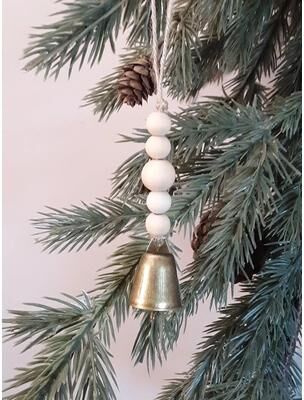
Inspire Select Vintage Hanging Cow Bells Christmas Ornaments Rustic Antique Bell Tree Decorations cow BellAdd timeless rustic charm to your holiday dcor with ornaments that capture the warmth of traditional Christmas celebrations. These beautiful vintage Christmas bell ornaments feature an antiquestyle cow bell design that brings a classic farmhouse...44,95 $*Shipping: 0,00 $Secure redirect to the provider
-
'I don't understand the use of lui and leur?'
In French, "lui" and "leur" are both used as indirect object pronouns to replace nouns that are the recipients of the action. "Lui" is used to refer to a singular masculine or feminine noun, while "leur" is used to refer to a plural noun. For example, "Je lui ai donné le livre" means "I gave him/her the book," and "Je leur ai donné les livres" means "I gave them the books." It's important to remember that these pronouns must agree in gender and number with the noun they are replacing. **
-
When do I use leur and leurs in French?
You use "leur" when you want to indicate possession or belonging for a singular noun, and "leurs" when you want to indicate possession or belonging for plural nouns. For example, "leur maison" means "their house" (singular), and "leurs voitures" means "their cars" (plural). **
-
How do you use the object pronouns lui and leur?
The object pronoun "lui" is used to replace indirect objects referring to a singular person, while "leur" is used to replace indirect objects referring to plural people. For example, "Je lui parle" means "I am talking to him/her" and "Je leur donne des cadeaux" means "I am giving gifts to them." These pronouns come before the verb in a sentence and help avoid repetition of the indirect object. **
-
What is the difference in French between 'ses' and 'leur'?
In French, 'ses' is a possessive adjective that is used to show possession for a singular noun that is masculine or feminine. It is used when referring to something that belongs to a third person. On the other hand, 'leur' is also a possessive adjective, but it is used for plural nouns. It is used when referring to something that belongs to a third person in the plural form. **
* All prices are inclusive of VAT and, if applicable, plus shipping costs. The offer information is based on the details provided by the respective shop and is updated through automated processes. Real-time updates do not occur, so deviations can occur in individual cases. ** Note: Parts of this content were created by AI.