Buy casa-antigo.eu ?
We are moving the project
casa-antigo.eu .
Are you interested in purchasing the domain
casa-antigo.eu ?
domain@kv-gmbh.de · 0541-91531010
Buy casa-antigo.eu ?
Percheron or Paso Fino?
The choice between Percheron and Paso Fino depends on the specific needs and preferences of the rider. Percherons are large, powerful draft horses known for their strength and ability to pull heavy loads, making them well-suited for work and driving. On the other hand, Paso Finos are smaller, smooth-gaited horses known for their comfortable ride and agility, making them popular for trail riding and endurance competitions. Ultimately, the decision between the two breeds should be based on the rider's intended use and the qualities they value in a horse. **
What does "mi casa es su casa" mean and is it spelled correctly?
"Mi casa es su casa" is a Spanish phrase that translates to "my house is your house" in English. It is a welcoming expression that conveys hospitality and openness to guests. The spelling is correct. **

Similar search terms for Fino-Gianfranco-Primitivo-Es
Top-Angebote
Products related to Fino-Gianfranco-Primitivo-Es:
-
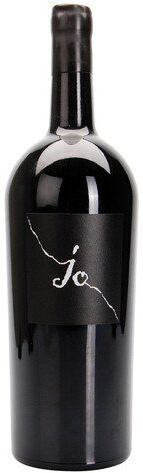
Fino Gianfranco Negroamaro 'Jo' Gianfranco Fino 2017The Negroamaro "Jo" by Gianfranco Fino is considered the Negroamaro of Salento; an association that starts from the name that Gianfranco and Simona have decided to give at this great wine from Puglia. "Jo" is going to the Ionian sea, the sea that washes the shores of Manduria, Ionic and is also one of the synonyms of the Negroamaro grape, a native vine of excellence and great reputation of Salento. A cellar that recently founded by Gianfranco Fino, as the first vineyard was purchased only in 2004, but able in a few years to gain a prominent place in the landscape wine from Puglia. Wines produced from 40 years old vines, bred to tree and be able to transfer emotions and feelings from the very first glance. The Negroamaro "Jo" by Gianfranco Fino was born in Agro di Manduria, in San Pietro in Bevagna, on clay. Here comes the "Jo" by Gianfranco Fino, a noble red wine that break in new French oak barriques for 50% and the first step for the other 50% for about 12 months before being bottled and stabilize for another six months. It offers a rich and aromatic range of large amplitude, which remembers the Mediterranean overlooking the vineyards between sapling. The Negroamaro "Jo" by Gianfranco Fino has a beginning reminiscent of the rich myrtle, thyme and red fruits; crunchy and good flavor, showing tannin already interesting. Negroamaro "Jo" by Gianfranco Fino: the most noble expression of a unique terroir as that of Manduria.81,00 £*Shipping: 48,00 £Secure redirect to the provider
-
Primitivo Cantele 2025The Primitivo di Cantele is the classic interpretation of this historic grape variety from Salento, made in the spirit of respect and enhancement of its best varietal qualities. A intense, warm, soft, and Mediterranean red that seduces with its aromas of ripe red fruit and soft oriental spices. Its sip, rich and broad, envelops the palate in a full and satisfying way. A label that perfectly synthesizes the characteristics of the splendid land of Salento, bringing all its warmth and vitality into the glass. The red Primitivo from the Puglian winery Cantele is an identity wine, reflecting the centuries-old tradition of the splendid territory of Salento. The winery is located in the countryside of Guagnano, in the heart of Salento, a very breezy region with a warm Mediterranean climate, mitigated by sea breezes. The soils, originating from the clayey calcarenites of Salento, are quite deep, rich in limestone and sands. The grapes come from the vineyards of Torricella in the province of Taranto and San Pietro Vernotico in the province of Brindisi, cultivated partly on trellises and partly as bush vines. The harvest is made towards the end of August and the grapes ferment in steel tanks at a controlled temperature of 25-26 °C, with maceration on the skins for 6-8 days. The wine rests in oak barrels for about 6 months and ages for a few months in the bottle before being put on sale. The Primitivo di Cantele wine is a perfect label for those who want to know the simplest and most immediate face of this great grape variety from the south. The brief aging in wood softens its youthful traits a bit, while keeping in focus its mature and fruity varietal character. The color is ruby red with garnet reflections. On the nose, it expresses aromas of sour cherry, ripe plum, black cherry, soft spices, and carob. On the palate, it is warm, soft, and intense, with silky tannins well integrated into the body of the wine, dense and enveloping aromas that unfold harmoniously and balanced with a pleasant final persistence.12,00 £*Shipping: 48,00 £Secure redirect to the provider
-
Primitivo L'Archetipo 2022Il Primitivo della cantina l’Archetipo è un vino rosso di grande struttura che nasce dalla selezione dei grappoli più pregiati della terra rossa salentina. È un vino genuino e di grande espressione territoriale, capace di trasmettere la passione di una famiglia che da alcuni anni coltiva le sue vigne secondo le antiche tradizioni e con un occhio di riguardo verso il rispetto della terra. Francesco, il proprietario dell’azienda, non ha scoperto nulla di nuovo, ma ha portato avanti i principi di Fukuoka basati sull’agricoltura biodinamica e sul modo di vedere la natura come un’unica forza autorigenerante, in grado di compensarsi con le sole forze sinergiche della terra. Il Primitivo nasce da vigne di 15 anni allevate a “Controspalliera libera”, in onore delle ideologie di Steiner, e che affondano le radici a più di 8 metri di profondità. La raccolta è rigorosamente manuale e il mosto, ottenuto da una soffice pigiatura, viene lasciato fermentare con i propri lieviti a contatto con le proprie bucce. Segue l’affinamento in grandi botti di legno per un anno e un ulteriore riposo in acciaio per un altro anno. In seguito il vino viene imbottigliato senza filtrazioni e aggiunta di sostanze esogene e lasciato riposare per 6 mesi in bottiglia. Il Primitivo si presenta dal colore rosso accesso, con riflessi rubini. Ha una consistenza che attrae e che invoglia all’assaggio. Le note odorose vertono verso frutta matura rossa con toni terrosi e speziati che completano un quadro di grande complessità e intensità olfattiva. Il sorso è bilanciato e morbido, dotato di un vigoroso tannino che insieme ad una freschezza estiva e a toni marini ne fanno un vino bilanciato, generoso e ricco, in grado di competere con i più grandi Primitivi della zona.18,00 £*Shipping: 48,00 £Secure redirect to the provider
-
Electrico Fino Pasado Toro Albalà - 50clThe Fino Electrico Pasado by Toro Albalà is the most classic and traditional label of this ancient Andalusian Bodega. The southern region of Spain has been famous for centuries for producing great wines, which still today represent an extraordinary excellence of the territory. The Fino is characterized by a dry profile and an elegant, decisive taste. It is produced with the Pedro Ximénez grape variety, a white grape historically present in Andalusia, which has adapted very well to the dry climate and the calcareous and sandy soils of the region. Aged using the famous Criaderas y Soleras method, it expresses all the refined complexity of aromas of dried fruit, toasted hints, and woodiness, resulting from the long aging process in wood. The Sherry Electrico Fino Pasado comes from vines cultivated in the countryside of the Cordova area by Toro Albalà. At the end of the harvest, the classic white winemaking process is followed. The wine is then transferred to 550-liter American oak barrels. After a few weeks, thanks to the particular temperature conditions,humidity and ventilation, a layer of flor, a light layer of yeasts, develops on the surface of the wine, which protects it from rapid oxidation and allows it to mature slowly towards complex and evolved aromas. The aging process of the Fino continues according to the ancient Andalusian method Criadera y Solera, which consists of creating rows of stacked barrels. At the lowest level is the oldest wine, and as you go up, the younger wine. Every time wine is drawn from the lowest barrel, the others are filled in a cascading manner. In this way, the final wine is always the result of the blend of many vintages, some of which are very old.The Electrico Fino Pasado from Bodega Toro Albalà is the most typical wine of Andalusia, the most common and widespread. It is the classic bottle to enjoy with tapas, with jamon serrano and aged cheeses. In the glass, it presents a bright light straw yellow color. On the nose, it reveals intense and rich aromas reminiscent of dried fruit, particularly almond, toasted hazelnut, vegetal nuances, dried flowers, licorice root, and herbal notes. On the palate, it has a dry and clear sip, savory and deep, which extends austere and crisp towards a persistent finish marked by slight toasted notes. An unmissable classic to start breathing in the Andalusian atmospheres.16,00 £*Shipping: 48,00 £Secure redirect to the provider


-
Is it "sei es" or "seien es"?
The correct phrase is "sei es." This phrase is used in German to express a condition or possibility, similar to saying "be it" or "whether it is" in English. The verb "sei" is in the imperative form, while "es" is the pronoun referring to the subject of the condition. **
-
Does it say "sei es" or "seien es"?
The correct phrase is "sei es." This phrase is used in German to express a wish or a hypothetical situation. The verb "sei" is the imperative form of the verb "sein" (to be) in the second person singular, and it is followed by "es" which means "it." Together, they form the phrase "sei es," which translates to "be it" in English. **
-
Does it say "Es existiert" or "Es existieren"?
The correct form is "Es existiert." This is because "es" is a singular pronoun, so the verb "existiert" should also be in the singular form. If the subject were plural, then the correct form would be "Es existieren." **
-
Do you say "Es quellt" or "Es quillt"?
The correct form is "Es quillt." The verb "quillt" is the third person singular form of the verb "quellen," which means "to well up" or "to gush." So, when describing something that is welling up or gushing, you would use "Es quillt." **


Do you say "Ist es" or "Es ist"?
In German, both "Ist es" and "Es ist" are correct, but they are used in different contexts. "Ist es" is used to form a question, for example "Ist es kalt?" (Is it cold?). On the other hand, "Es ist" is used to make a statement, for example "Es ist schön" (It is beautiful). So, the choice between "Ist es" and "Es ist" depends on whether you are asking a question or making a statement. **
Is it "Tu es jolie" or "Tu es joli"?
The correct phrase is "Tu es jolie" when referring to a female, and "Tu es joli" when referring to a male. In French, adjectives must agree in gender with the noun they are describing. Jolie is the feminine form of the adjective, while joli is the masculine form. **
Top-Angebote
Products related to Fino-Gianfranco-Primitivo-Es:
-
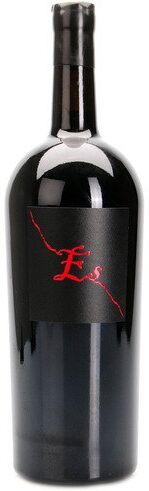
Fino Gianfranco Primitivo 'Es' Gianfranco Fino 2020Primitivo di Manduria "Es" by Gianfranco Fino is a wine that can be placed in an innovative area, while maintaining its tradition intact. The traditional side is found in its design, a blend of grapes from different vineyards, as it always used to do in these parts, and mix in the typical body-power that imposes the denomination; the most original, however, is in exemplary balance between structure, vein alcohol, acidity and flavor that, combined with extremely fine tannins and a manual use of wood, makes it easier to sip, but in a framework of intensity, amplitude and duration of olfactory really classy. In this consisted the great challenge of Gianfranco Fino, a young winemaker with solid technical skills and an heavy curriculum on his shoulders: a comparison with the complex and rich tradition of Manduria. A project started from scratch and slowly matured, which is perfectly able to synthesize a set of innovation and local roots, giving life to a great wine. Also the range taste-olfactory is astonishing in this Primitivo "Es", ranging from fresh and ripe fruit and sweet spices, to the Mediterranean scents: a complex , rich, elegant wine, with a very large class.49,00 £*Shipping: 48,00 £Secure redirect to the provider
-
Fino Gianfranco Negroamaro 'Jo' Gianfranco Fino 2023Il Negroamaro "Jo" di Gianfranco Fino è da molti considerato come il Negroamaro del Salento; un’associazione che parte proprio dal nome che Gianfranco e Simona hanno deciso di dare a questo grande vino pugliese. “Jo” sta per Mar Jonio, il mare che bagna le coste di Manduria, e Jonico è anche uno dei sinonimi del vitigno Negroamaro, un vitigno autoctono di eccellenza e di grande notorietà del Salento. Un’azienda recente quella fondata da Gianfranco Fino, visto che il primo vigneto è stato acquistato solamente nel 2004, ma capace in pochissimi anni di conquistare un posto di rilievo nel panorama vitivinicolo pugliese. Vini prodotti da vigne vecchie di circa 40 anni, allevate ad alberello e in grado di trasferire emozioni e sentimenti sin da un primo sguardo. Il Negroamaro "Jo" di Gianfranco Fino nasce ad Agro di Manduria, in località San Pietro in Bevagna, su terra rossa. Qui nasce il “Jo” di Gianfranco Fino, un vino nobile che sosta in barrique di rovere francese nuove per il 50% e di primo passaggio per l’altro 50% per circa 12 mesi prima di essere messo in bottiglia e stabilizzarsi per altri sei mesi. Offre un ventaglio aromatico ricco e di grande ampiezza, che fa ricordare la macchia mediterranea che domina tra le vigne ad alberello. Il Negroamaro "Jo" di Gianfranco Fino ha un inizio ricco che ricorda il mirto, il timo e la frutta rossa; croccante e dalla bella sapidità, mostra un tannino già interessante. Negroamaro "Jo" di Gianfranco Fino: la più nobile espressione di un terroir unico come quello di Manduria.72,00 £*Shipping: 48,00 £Secure redirect to the provider
-
Fino Gianfranco Negroamaro 'Jo' Gianfranco Fino 2017The Negroamaro "Jo" by Gianfranco Fino is considered the Negroamaro of Salento; an association that starts from the name that Gianfranco and Simona have decided to give at this great wine from Puglia. "Jo" is going to the Ionian sea, the sea that washes the shores of Manduria, Ionic and is also one of the synonyms of the Negroamaro grape, a native vine of excellence and great reputation of Salento. A cellar that recently founded by Gianfranco Fino, as the first vineyard was purchased only in 2004, but able in a few years to gain a prominent place in the landscape wine from Puglia. Wines produced from 40 years old vines, bred to tree and be able to transfer emotions and feelings from the very first glance. The Negroamaro "Jo" by Gianfranco Fino was born in Agro di Manduria, in San Pietro in Bevagna, on clay. Here comes the "Jo" by Gianfranco Fino, a noble red wine that break in new French oak barriques for 50% and the first step for the other 50% for about 12 months before being bottled and stabilize for another six months. It offers a rich and aromatic range of large amplitude, which remembers the Mediterranean overlooking the vineyards between sapling. The Negroamaro "Jo" by Gianfranco Fino has a beginning reminiscent of the rich myrtle, thyme and red fruits; crunchy and good flavor, showing tannin already interesting. Negroamaro "Jo" by Gianfranco Fino: the most noble expression of a unique terroir as that of Manduria.81,00 £*Shipping: 48,00 £Secure redirect to the provider
-
Primitivo Cantele 2025The Primitivo di Cantele is the classic interpretation of this historic grape variety from Salento, made in the spirit of respect and enhancement of its best varietal qualities. A intense, warm, soft, and Mediterranean red that seduces with its aromas of ripe red fruit and soft oriental spices. Its sip, rich and broad, envelops the palate in a full and satisfying way. A label that perfectly synthesizes the characteristics of the splendid land of Salento, bringing all its warmth and vitality into the glass. The red Primitivo from the Puglian winery Cantele is an identity wine, reflecting the centuries-old tradition of the splendid territory of Salento. The winery is located in the countryside of Guagnano, in the heart of Salento, a very breezy region with a warm Mediterranean climate, mitigated by sea breezes. The soils, originating from the clayey calcarenites of Salento, are quite deep, rich in limestone and sands. The grapes come from the vineyards of Torricella in the province of Taranto and San Pietro Vernotico in the province of Brindisi, cultivated partly on trellises and partly as bush vines. The harvest is made towards the end of August and the grapes ferment in steel tanks at a controlled temperature of 25-26 °C, with maceration on the skins for 6-8 days. The wine rests in oak barrels for about 6 months and ages for a few months in the bottle before being put on sale. The Primitivo di Cantele wine is a perfect label for those who want to know the simplest and most immediate face of this great grape variety from the south. The brief aging in wood softens its youthful traits a bit, while keeping in focus its mature and fruity varietal character. The color is ruby red with garnet reflections. On the nose, it expresses aromas of sour cherry, ripe plum, black cherry, soft spices, and carob. On the palate, it is warm, soft, and intense, with silky tannins well integrated into the body of the wine, dense and enveloping aromas that unfold harmoniously and balanced with a pleasant final persistence.12,00 £*Shipping: 48,00 £Secure redirect to the provider
-
Percheron or Paso Fino?
The choice between Percheron and Paso Fino depends on the specific needs and preferences of the rider. Percherons are large, powerful draft horses known for their strength and ability to pull heavy loads, making them well-suited for work and driving. On the other hand, Paso Finos are smaller, smooth-gaited horses known for their comfortable ride and agility, making them popular for trail riding and endurance competitions. Ultimately, the decision between the two breeds should be based on the rider's intended use and the qualities they value in a horse. **
-
What does "mi casa es su casa" mean and is it spelled correctly?
"Mi casa es su casa" is a Spanish phrase that translates to "my house is your house" in English. It is a welcoming expression that conveys hospitality and openness to guests. The spelling is correct. **
-
Is it "sei es" or "seien es"?
The correct phrase is "sei es." This phrase is used in German to express a condition or possibility, similar to saying "be it" or "whether it is" in English. The verb "sei" is in the imperative form, while "es" is the pronoun referring to the subject of the condition. **
-
Does it say "sei es" or "seien es"?
The correct phrase is "sei es." This phrase is used in German to express a wish or a hypothetical situation. The verb "sei" is the imperative form of the verb "sein" (to be) in the second person singular, and it is followed by "es" which means "it." Together, they form the phrase "sei es," which translates to "be it" in English. **
Similar search terms for Fino-Gianfranco-Primitivo-Es
-
Primitivo L'Archetipo 2022Il Primitivo della cantina l’Archetipo è un vino rosso di grande struttura che nasce dalla selezione dei grappoli più pregiati della terra rossa salentina. È un vino genuino e di grande espressione territoriale, capace di trasmettere la passione di una famiglia che da alcuni anni coltiva le sue vigne secondo le antiche tradizioni e con un occhio di riguardo verso il rispetto della terra. Francesco, il proprietario dell’azienda, non ha scoperto nulla di nuovo, ma ha portato avanti i principi di Fukuoka basati sull’agricoltura biodinamica e sul modo di vedere la natura come un’unica forza autorigenerante, in grado di compensarsi con le sole forze sinergiche della terra. Il Primitivo nasce da vigne di 15 anni allevate a “Controspalliera libera”, in onore delle ideologie di Steiner, e che affondano le radici a più di 8 metri di profondità. La raccolta è rigorosamente manuale e il mosto, ottenuto da una soffice pigiatura, viene lasciato fermentare con i propri lieviti a contatto con le proprie bucce. Segue l’affinamento in grandi botti di legno per un anno e un ulteriore riposo in acciaio per un altro anno. In seguito il vino viene imbottigliato senza filtrazioni e aggiunta di sostanze esogene e lasciato riposare per 6 mesi in bottiglia. Il Primitivo si presenta dal colore rosso accesso, con riflessi rubini. Ha una consistenza che attrae e che invoglia all’assaggio. Le note odorose vertono verso frutta matura rossa con toni terrosi e speziati che completano un quadro di grande complessità e intensità olfattiva. Il sorso è bilanciato e morbido, dotato di un vigoroso tannino che insieme ad una freschezza estiva e a toni marini ne fanno un vino bilanciato, generoso e ricco, in grado di competere con i più grandi Primitivi della zona.18,00 £*Shipping: 48,00 £Secure redirect to the provider
-
Electrico Fino Pasado Toro Albalà - 50clThe Fino Electrico Pasado by Toro Albalà is the most classic and traditional label of this ancient Andalusian Bodega. The southern region of Spain has been famous for centuries for producing great wines, which still today represent an extraordinary excellence of the territory. The Fino is characterized by a dry profile and an elegant, decisive taste. It is produced with the Pedro Ximénez grape variety, a white grape historically present in Andalusia, which has adapted very well to the dry climate and the calcareous and sandy soils of the region. Aged using the famous Criaderas y Soleras method, it expresses all the refined complexity of aromas of dried fruit, toasted hints, and woodiness, resulting from the long aging process in wood. The Sherry Electrico Fino Pasado comes from vines cultivated in the countryside of the Cordova area by Toro Albalà. At the end of the harvest, the classic white winemaking process is followed. The wine is then transferred to 550-liter American oak barrels. After a few weeks, thanks to the particular temperature conditions,humidity and ventilation, a layer of flor, a light layer of yeasts, develops on the surface of the wine, which protects it from rapid oxidation and allows it to mature slowly towards complex and evolved aromas. The aging process of the Fino continues according to the ancient Andalusian method Criadera y Solera, which consists of creating rows of stacked barrels. At the lowest level is the oldest wine, and as you go up, the younger wine. Every time wine is drawn from the lowest barrel, the others are filled in a cascading manner. In this way, the final wine is always the result of the blend of many vintages, some of which are very old.The Electrico Fino Pasado from Bodega Toro Albalà is the most typical wine of Andalusia, the most common and widespread. It is the classic bottle to enjoy with tapas, with jamon serrano and aged cheeses. In the glass, it presents a bright light straw yellow color. On the nose, it reveals intense and rich aromas reminiscent of dried fruit, particularly almond, toasted hazelnut, vegetal nuances, dried flowers, licorice root, and herbal notes. On the palate, it has a dry and clear sip, savory and deep, which extends austere and crisp towards a persistent finish marked by slight toasted notes. An unmissable classic to start breathing in the Andalusian atmospheres.16,00 £*Shipping: 48,00 £Secure redirect to the provider
-
Primitivo Marco Ludovico 2024Il Primitivo di Marco Ludovico è un rosso prodotto da uno dei vignaioli più interessanti del panorama pugliese. È una versione di primitivo dal volto tipicamente artigianale, dal carattere schietto e diretto. Un vino armonico e mediterraneo, che restituisce nel calice il calore solare della terra di Puglia. L’affinamento quasi esclusivamente in acciaio, regala intensi aromi varietali di ciliegia, frutta rossa, spezie e qualche nota evolutiva che arricchisce lo spettro aromatico. Il suo sorso suadente e vellutato lo fa apprezzare soprattutto in abbinamento a grigliate miste, carne alla brace o arrosti di carni rosse. Il vino Primitivo di Marco Ludovico viene prodotto nel territorio della zona del Parco Naturale della Terra delle Gravine, un’area a nord di Taranto caratterizzata da un’ambiente naturale ancora selvaggio e incontaminato. La tenuta si estende complessivamente su 32 ettari e le vigne sono coltivate su terre caratterizzare dalla presenza di calcare, tufi e argille. Si tratta di terreni molto vocati, che contengono naturalmente le rese, favorendo una viticoltura di qualità. Tra i filari non si utilizzano sostanze chimiche, in modo da preservare la biodiversità, la naturale vitalità del suolo e l’equilibrio produttivo e vegetativo delle piante, senza nessuna forzatura. La stessa filosofia del minimo intervento è applicata in cantina, con un accurato utilizzo delle pratiche enologiche e con un approccio, che tende a far trasformare i mosti in vino secondo procedimenti spontanei e più naturali possibili. Il rosso Primitivo di Marco Ludovico nasce dalle uve che provengono dalle vigne coltivate in contrada Caragnano, nel comune di Mottola, su terreni con una buona percentuale di argilla. La fermentazione si svolge in serbatoi d’acciaio a temperatura controllata, con utilizzo solo di lieviti indigeni. Prima d’essere imbottigliato, il vino matura per l’85% in vasche d’acciaio e per un 15% in barrique usate in rovere di Slavonia. Si presenta di colore rosso rubino piuttosto intenso e cupo. All’olfatto sprigiona aromi maturi di ciliegia, susine, frutta rossa, sentori di tabacco biondo, erbe della macchia mediterranea e spezie orientali. Al palato ha una buona struttura, con tannini ben levigati e una trama succosa e densa d’aromi fruttati. Il finale è molto equilibrato, lungo e persistente, con una piacevole chiusura sapida.16,00 £*Shipping: 48,00 £Secure redirect to the provider
-
Primitivo Aglianico L'Archetipo 2024The Primitivo Aglianico is a red wine produced in Puglia, which combines two great Mediterranean grape varieties with a decidedly complementary profile: warm, soft, and seductive Primitivo, more austere, deep, and tannic Aglianico. The successful combination of the two varieties creates a wine with a harmonious character, which, thanks to the long aging, offers complex and evolved notes, making it very interesting. The Archetipo Primitivo Aglianico is the result of the desire to create a great wine from the south, trying to unite two varieties of red grapes: one cultivated mainly in Campania and Basilicata, the other an enological emblem of Puglia. The fusion of varietal typicities, while somewhat softening the character of the grapes, has also allowed the characteristics of the territory to stand out. The winery is located, in fact, in Alta Murgia, in the hilly area between Gioia del Colle and Castellaneta. The area has a Mediterranean and breezy climate, always mitigated by the sea breezes. The winery has about twenty hectares, which it cultivates under organic farming practices.organic, with the utmost respect for nature and the surrounding environment. Even in winemaking, an essential approach is used, trying to facilitate the transformation of the grape into wine with minimal human intervention. The Primitivo and Aglianico vineyards are cultivated on the typical red soils with the presence of siliceous-limestone stones, which rest on a substrate of calcareous clay. The vines are about 18 years old and are trained on trellises, with a planting density of 4545 plants per hectare. The two varieties are harvested and vinified separately, following their different ripening times. At the end of fermentation, the two wines are blended and continue aging together for 12 months in large wooden barrels, for another 12 months in steel, and conclude aging with another 6 months in the bottle. The Primitivo Aglianico wine produced by L’Archetipo is a wine with character, intense, structured, and with a typically Mediterranean, warm, and rich face. In the glass, it presents a deep ruby red color. The olfactory profile opens with aromas of ripe red fruit, berry jam, dried fruit, toasted and spicy notes. On the palate, it is broad, with a soft entry that unfolds into a deep and persistent finish. The tannic texture is dense and evolved, and the finish is harmoniously fresh.16,00 £*Shipping: 48,00 £Secure redirect to the provider
-
Does it say "Es existiert" or "Es existieren"?
The correct form is "Es existiert." This is because "es" is a singular pronoun, so the verb "existiert" should also be in the singular form. If the subject were plural, then the correct form would be "Es existieren." **
-
Do you say "Es quellt" or "Es quillt"?
The correct form is "Es quillt." The verb "quillt" is the third person singular form of the verb "quellen," which means "to well up" or "to gush." So, when describing something that is welling up or gushing, you would use "Es quillt." **
-
Do you say "Ist es" or "Es ist"?
In German, both "Ist es" and "Es ist" are correct, but they are used in different contexts. "Ist es" is used to form a question, for example "Ist es kalt?" (Is it cold?). On the other hand, "Es ist" is used to make a statement, for example "Es ist schön" (It is beautiful). So, the choice between "Ist es" and "Es ist" depends on whether you are asking a question or making a statement. **
-
Is it "Tu es jolie" or "Tu es joli"?
The correct phrase is "Tu es jolie" when referring to a female, and "Tu es joli" when referring to a male. In French, adjectives must agree in gender with the noun they are describing. Jolie is the feminine form of the adjective, while joli is the masculine form. **
* All prices are inclusive of VAT and, if applicable, plus shipping costs. The offer information is based on the details provided by the respective shop and is updated through automated processes. Real-time updates do not occur, so deviations can occur in individual cases. ** Note: Parts of this content were created by AI.