Buy casa-antigo.eu ?
We are moving the project
casa-antigo.eu .
Are you interested in purchasing the domain
casa-antigo.eu ?
domain@kv-gmbh.de · 0541-91531010
Buy casa-antigo.eu ?
Why do constants disappear when differentiating?
Constants disappear when differentiating because the derivative of a constant is always zero. This is because a constant value does not change as the independent variable changes, so its rate of change is always zero. When taking the derivative of a function, the constant term does not affect the rate of change of the function, so it is essentially "ignored" in the differentiation process. **
Is integrating the opposite of differentiating?
No, integrating is not the opposite of differentiating. In mathematics, differentiation is the process of finding the derivative of a function, while integration is the process of finding the antiderivative of a function. These two processes are related, but they are not opposites. In fact, they are inverse operations of each other, meaning that integrating the derivative of a function will give you the original function. **


Similar search terms for Differentiating
Top-Angebote
Products related to Differentiating:
-
Uplift Picks Vintage Retro Telephone Decor Antique Style Home Desk Ornament Vintage Retro Telephone Decor Antique Style Home Desk OrnamentAdd timeless charm to your space with this beautifully crafted vintage telephone decor. Designed for those who appreciate classic aesthetics, this retro phone ornament brings a sense of nostalgia and character to any room. Its aged and weathered...85,99 $*Shipping: 0,00 $Secure redirect to the provider
-
Inspire Essentials Vintage Retro Telephone Decor Antique Style Home Accent Ornament Vintage Retro Telephone Decor Antique Style Home Accent OrnamentAdd a nostalgic charm to your space with this beautifully designed vintage telephone decor. Perfect for those who love classic aesthetics it brings a sense of history and character into any room. The aged finish and detailed craftsmanship make this...52,48 $*Shipping: 0,00 $Secure redirect to the provider
-
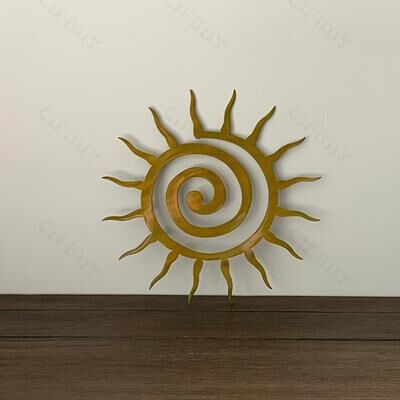
ModernMart Antique Coiled Star Metal Wall Sculpture For Outdoor Wall Decor & Rustic Garden Accent Antique Coiled Star Metal Wall Sculpture For Outdoor Wall Decor & Rustic Garden AccentTransform any blank wall into a statement of charm and personality with this beautifully crafted metal wall sculpture. Designed for homeowners who love rustic elegance, it adds depth and artistic flair to patios, verandahs, and indoor spaces alike....39,97 $*Shipping: 0,00 $Secure redirect to the provider


-
Why does the constant disappear when differentiating?
The constant disappears when differentiating because the derivative represents the rate of change of a function at a specific point, and the constant does not affect this rate of change. When taking the derivative of a function, the constant term does not contribute to the slope of the function and therefore does not affect the derivative. As a result, the constant term is essentially a vertical shift and does not impact the slope or rate of change of the function. **
-
Why does the constant term disappear when differentiating?
The constant term disappears when differentiating because the derivative measures the rate of change of a function at a specific point. Since a constant term does not change as the input variable changes, its rate of change is zero. Therefore, when differentiating, the constant term does not contribute to the slope of the function and is thus eliminated from the derivative. **
-
What is the product rule for differentiating the exponential function?
The product rule for differentiating the exponential function states that if you have two functions, f(x) and g(x), and you want to find the derivative of their product, (f(x) * g(x)), you can do so by taking the derivative of the first function (f'(x)) multiplied by the second function (g(x)), plus the first function (f(x)) multiplied by the derivative of the second function (g'(x)). In the case of the exponential function, if you have two exponential functions, such as e^x and e^2x, their derivative would be e^x * 2e^2x + e^x * 2e^2x. **
-
Why can't exponents with the same base be added when differentiating?
Exponents with the same base cannot be added when differentiating because the rules of differentiation do not allow for the addition of exponents. When differentiating a function with exponents, the power rule states that the exponent is brought down and multiplied by the coefficient, but the exponents themselves are not added together. This is because the process of differentiation involves finding the rate of change of a function with respect to its variable, and adding exponents with the same base does not accurately represent this rate of change. Therefore, exponents with the same base cannot be added when differentiating. **
For antique rustic oak furniture that you would like to lighten, what type of wood would be suitable?
For antique rustic oak furniture that you would like to lighten, a suitable wood type would be pine. Pine is a lighter wood with a natural grain that can complement the rustic style of the oak furniture. It is also easier to work with and can be stained or painted to achieve the desired lighter finish. Additionally, pine is a durable wood that can withstand the wear and tear of everyday use, making it a practical choice for furniture restoration. **
Why is it that when differentiating a polynomial function, one degree is always lost?
When differentiating a polynomial function, one degree is always lost because the power rule of differentiation states that when you differentiate a term with a variable raised to a power, you decrease the power by 1. Since the degree of a polynomial is determined by the highest power of the variable, each term in the polynomial will decrease in degree by 1 when differentiated. This results in the loss of one degree overall when differentiating the entire polynomial function. **
Top-Angebote
Products related to Differentiating:
-
Union Rustic Antigo Solid Wood Bench Natural Mango H45 x W200 x D46cmMade from solid Mango wood with a distressed steel handle and its trestle style table this range mixes traditional style with a modern twist. Handmade in India you will see marks of where the artisan had built this piece, pinheads are common, and you may seesaw and chisel marks also the different grains and naturally occurring shakes in the wood make this truly unique. If you appreciate rural craftsmanship and want an item that will make a statement in your home this is for you. Union Rustic Size: H45 x W200 x D46cm319,99 £*Shipping: 19,99 £Secure redirect to the provider
-
Union Rustic Antigo Solid Wood Bench Natural Mango H45 x W135 x D46cmMade from solid Mango wood with a distressed steel handle and its trestle style table this range mixes traditional style with a modern twist. Handmade in India you will see marks of where the artisan had built this piece, pinheads are common, and you may seesaw and chisel marks also the different grains and naturally occurring shakes in the wood make this truly unique. If you appreciate rural craftsmanship and want an item that will make a statement in your home this is for you. Union Rustic Size: H45 x W135 x D46cm244,99 £*Shipping: 0,00 £Secure redirect to the provider
-
Uplift Picks Vintage Retro Telephone Decor Antique Style Home Desk Ornament Vintage Retro Telephone Decor Antique Style Home Desk OrnamentAdd timeless charm to your space with this beautifully crafted vintage telephone decor. Designed for those who appreciate classic aesthetics, this retro phone ornament brings a sense of nostalgia and character to any room. Its aged and weathered...85,99 $*Shipping: 0,00 $Secure redirect to the provider
-
Inspire Essentials Vintage Retro Telephone Decor Antique Style Home Accent Ornament Vintage Retro Telephone Decor Antique Style Home Accent OrnamentAdd a nostalgic charm to your space with this beautifully designed vintage telephone decor. Perfect for those who love classic aesthetics it brings a sense of history and character into any room. The aged finish and detailed craftsmanship make this...52,48 $*Shipping: 0,00 $Secure redirect to the provider
-
Why do constants disappear when differentiating?
Constants disappear when differentiating because the derivative of a constant is always zero. This is because a constant value does not change as the independent variable changes, so its rate of change is always zero. When taking the derivative of a function, the constant term does not affect the rate of change of the function, so it is essentially "ignored" in the differentiation process. **
-
Is integrating the opposite of differentiating?
No, integrating is not the opposite of differentiating. In mathematics, differentiation is the process of finding the derivative of a function, while integration is the process of finding the antiderivative of a function. These two processes are related, but they are not opposites. In fact, they are inverse operations of each other, meaning that integrating the derivative of a function will give you the original function. **
-
Why does the constant disappear when differentiating?
The constant disappears when differentiating because the derivative represents the rate of change of a function at a specific point, and the constant does not affect this rate of change. When taking the derivative of a function, the constant term does not contribute to the slope of the function and therefore does not affect the derivative. As a result, the constant term is essentially a vertical shift and does not impact the slope or rate of change of the function. **
-
Why does the constant term disappear when differentiating?
The constant term disappears when differentiating because the derivative measures the rate of change of a function at a specific point. Since a constant term does not change as the input variable changes, its rate of change is zero. Therefore, when differentiating, the constant term does not contribute to the slope of the function and is thus eliminated from the derivative. **
Similar search terms for Differentiating
-
ModernMart Antique Coiled Star Metal Wall Sculpture For Outdoor Wall Decor & Rustic Garden Accent Antique Coiled Star Metal Wall Sculpture For Outdoor Wall Decor & Rustic Garden AccentTransform any blank wall into a statement of charm and personality with this beautifully crafted metal wall sculpture. Designed for homeowners who love rustic elegance, it adds depth and artistic flair to patios, verandahs, and indoor spaces alike....39,97 $*Shipping: 0,00 $Secure redirect to the provider
-
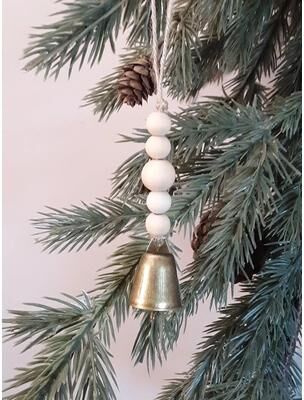
Inspire Select Vintage Hanging Cow Bells Christmas Ornaments Rustic Antique Bell Tree Decorations cow BellAdd timeless rustic charm to your holiday dcor with ornaments that capture the warmth of traditional Christmas celebrations. These beautiful vintage Christmas bell ornaments feature an antiquestyle cow bell design that brings a classic farmhouse...44,95 $*Shipping: 0,00 $Secure redirect to the provider
-
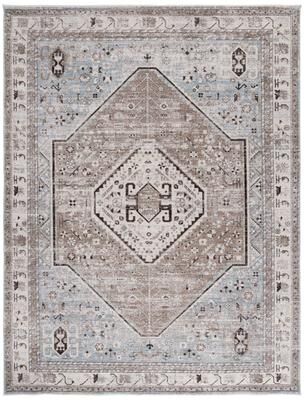
SAFAVIEH Antique Patina Glwadys Traditional RugDiscover timeless elegance with SAFAVIEH's Antique Patina Collection. Machine-made from easy-care, silky polyester fibers with a sleek pile, these area rugs effortlessly combine convenience with luxury.482,79 $*Shipping: 0,00 $Secure redirect to the provider
-
What is the product rule for differentiating the exponential function?
The product rule for differentiating the exponential function states that if you have two functions, f(x) and g(x), and you want to find the derivative of their product, (f(x) * g(x)), you can do so by taking the derivative of the first function (f'(x)) multiplied by the second function (g(x)), plus the first function (f(x)) multiplied by the derivative of the second function (g'(x)). In the case of the exponential function, if you have two exponential functions, such as e^x and e^2x, their derivative would be e^x * 2e^2x + e^x * 2e^2x. **
-
Why can't exponents with the same base be added when differentiating?
Exponents with the same base cannot be added when differentiating because the rules of differentiation do not allow for the addition of exponents. When differentiating a function with exponents, the power rule states that the exponent is brought down and multiplied by the coefficient, but the exponents themselves are not added together. This is because the process of differentiation involves finding the rate of change of a function with respect to its variable, and adding exponents with the same base does not accurately represent this rate of change. Therefore, exponents with the same base cannot be added when differentiating. **
-
For antique rustic oak furniture that you would like to lighten, what type of wood would be suitable?
For antique rustic oak furniture that you would like to lighten, a suitable wood type would be pine. Pine is a lighter wood with a natural grain that can complement the rustic style of the oak furniture. It is also easier to work with and can be stained or painted to achieve the desired lighter finish. Additionally, pine is a durable wood that can withstand the wear and tear of everyday use, making it a practical choice for furniture restoration. **
-
Why is it that when differentiating a polynomial function, one degree is always lost?
When differentiating a polynomial function, one degree is always lost because the power rule of differentiation states that when you differentiate a term with a variable raised to a power, you decrease the power by 1. Since the degree of a polynomial is determined by the highest power of the variable, each term in the polynomial will decrease in degree by 1 when differentiated. This results in the loss of one degree overall when differentiating the entire polynomial function. **
* All prices are inclusive of VAT and, if applicable, plus shipping costs. The offer information is based on the details provided by the respective shop and is updated through automated processes. Real-time updates do not occur, so deviations can occur in individual cases. ** Note: Parts of this content were created by AI.