Buy casa-antigo.eu ?
We are moving the project
casa-antigo.eu .
Are you interested in purchasing the domain
casa-antigo.eu ?
domain@kv-gmbh.de · 0541-91531010
Buy casa-antigo.eu ?
Is it a genitive object or an adverbial genitive?
The distinction between a genitive object and an adverbial genitive depends on the function of the genitive in the sentence. A genitive object typically functions as the direct object of a verb, indicating possession or association, while an adverbial genitive modifies the action of the verb, indicating manner, time, place, or other circumstances. To determine whether a genitive is a genitive object or an adverbial genitive, it is important to analyze the role it plays in the sentence and its relationship to the verb and other elements. **
'Genitive or accusative?'
The genitive case is used to show possession or relationship between nouns, while the accusative case is used to show the direct object of a verb. In general, the genitive case is used to indicate ownership or association, while the accusative case is used to indicate the direct object of a verb or the object of a preposition. The choice between genitive and accusative depends on the specific context and the grammatical rules of the language being used. **
Similar search terms for Genitive
Top-Angebote
Products related to Genitive:
-
Alora Decor Conley Traditional Antique Floral Border RugDescription: The Conley collection brings texture and dimension to a whole new level. Hand-tufted using premium wool, these traditional and uniquely colored designs make a dramatic statement to any setting.572,99 $*Shipping: 0,00 $Secure redirect to the provider
-
Uplift Picks Vintage Retro Telephone Decor Antique Style Home Desk Ornament Vintage Retro Telephone Decor Antique Style Home Desk OrnamentAdd timeless charm to your space with this beautifully crafted vintage telephone decor. Designed for those who appreciate classic aesthetics, this retro phone ornament brings a sense of nostalgia and character to any room. Its aged and weathered...85,99 $*Shipping: 0,00 $Secure redirect to the provider
-
Inspire Essentials Vintage Retro Telephone Decor Antique Style Home Accent Ornament Vintage Retro Telephone Decor Antique Style Home Accent OrnamentAdd a nostalgic charm to your space with this beautifully designed vintage telephone decor. Perfect for those who love classic aesthetics it brings a sense of history and character into any room. The aged finish and detailed craftsmanship make this...52,48 $*Shipping: 0,00 $Secure redirect to the provider
-
ModernMart Antique Coiled Star Metal Wall Sculpture For Outdoor Wall Decor & Rustic Garden Accent Antique Coiled Star Metal Wall Sculpture For Outdoor Wall Decor & Rustic Garden AccentTransform any blank wall into a statement of charm and personality with this beautifully crafted metal wall sculpture. Designed for homeowners who love rustic elegance, it adds depth and artistic flair to patios, verandahs, and indoor spaces alike....39,97 $*Shipping: 0,00 $Secure redirect to the provider




-
Nominative or genitive?
Nominative and genitive are both grammatical cases in many languages, including Latin and German. The nominative case is used for the subject of a sentence, while the genitive case is used to show possession or relationship between nouns. In English, the genitive case is often indicated by adding an apostrophe and an "s" to a noun. **
-
Genitive or accusative?
The genitive case is used to show possession or relationship between nouns, while the accusative case is used to show the direct object of a verb or the object of certain prepositions. In general, the genitive case is used to indicate possession or belonging, while the accusative case is used to indicate the direct object of a verb or the object of a preposition. The choice between genitive and accusative depends on the specific context and the grammatical rules of the language being used. **
-
What is the difference between genitive attribute and genitive object?
The genitive attribute is a noun or pronoun that describes another noun by showing possession or association, typically indicated by the use of an apostrophe and the letter "s" ('s) or simply an apostrophe ('). For example, in the phrase "the car's color," "car's" is the genitive attribute describing the color. On the other hand, the genitive object is a noun or pronoun that receives the action of a verb and is also in the genitive case, indicating possession or association. For example, in the phrase "I saw the dog's tail," "dog's" is the genitive object showing possession of the tail. In summary, the genitive attribute describes the noun it is attached to, while the genitive object receives the action of the verb and shows possession or association. **
-
Dative or Genitive 2?
The choice between dative and genitive case in German depends on the verb or preposition being used. "Dative" is used to indicate the indirect object of a sentence, while "genitive" is used to show possession or a relationship between two nouns. "Genitive 2" specifically refers to the genitive case used after certain prepositions, such as trotz (despite) or während (during). It's important to learn the specific prepositions and verbs that require either dative or genitive case in order to use them correctly in German sentences. **


What is the difference between the genitive attribute and the genitive object?
The genitive attribute is a noun or pronoun that is used to describe another noun, showing possession or relationship, and is typically placed before the noun it is modifying. For example, "the car's color" where "car's" is the genitive attribute. On the other hand, the genitive object is a noun or pronoun that is the direct object of a verb and is in the genitive case to show possession or relationship. For example, "I saw the dog's tail" where "tail" is the genitive object. In summary, the genitive attribute describes a noun, while the genitive object is the direct object of a verb and shows possession or relationship. **
'After ways comes the genitive.'
In Latin grammar, the genitive case is used to show possession or relationship between nouns. It typically follows prepositions like "of" or "from" and is used to indicate the source, origin, or possession of something. The genitive case is an important aspect of Latin syntax and is commonly used in various constructions to convey different meanings. Understanding the genitive case is crucial for mastering Latin grammar and accurately expressing relationships between nouns. **
Top-Angebote
Products related to Genitive:
-
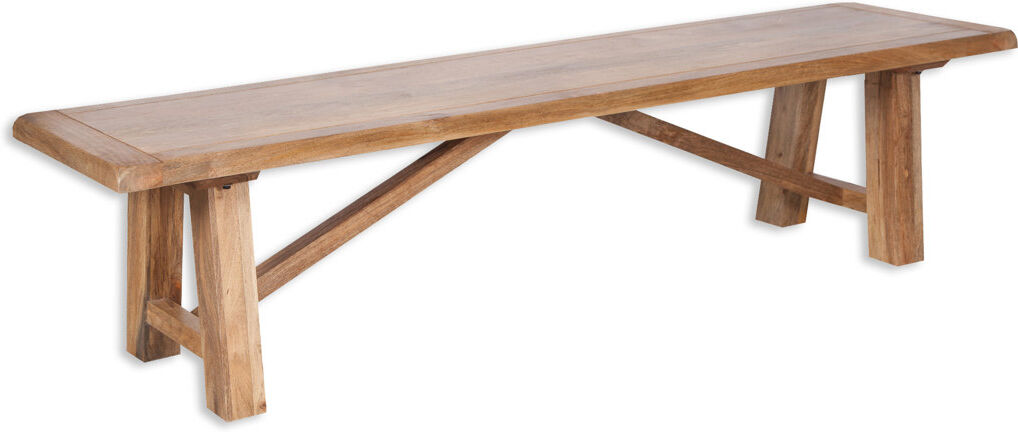
Union Rustic Antigo Upholstered Bench Natural Mango H45 x W200 x D46cmMade from solid Mango wood with a distressed steel handle and its trestle style table this range mixes traditional style with a modern twist. Handmade in India you will see marks of where the artisan had built this piece, pinheads are common, and you may seesaw and chisel marks also the different grains and naturally occurring shakes in the wood make this truly unique. If you appreciate rural craftsmanship and want an item that will make a statement in your home this is for you. Union Rustic Size: H45 x W200 x D46cm324,99 £*Shipping: 19,99 £Secure redirect to the provider
-
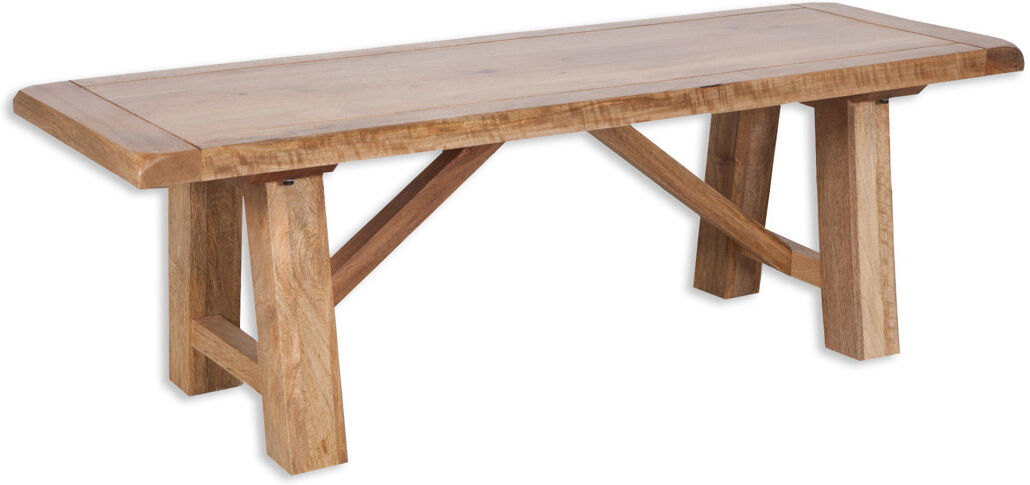
Union Rustic Antigo Upholstered Bench Natural Mango H45 x W135 x D46cmMade from solid Mango wood with a distressed steel handle and its trestle style table this range mixes traditional style with a modern twist. Handmade in India you will see marks of where the artisan had built this piece, pinheads are common, and you may seesaw and chisel marks also the different grains and naturally occurring shakes in the wood make this truly unique. If you appreciate rural craftsmanship and want an item that will make a statement in your home this is for you. Union Rustic Size: H45 x W135 x D46cm249,99 £*Shipping: 19,99 £Secure redirect to the provider
-
Alora Decor Conley Traditional Antique Floral Border RugDescription: The Conley collection brings texture and dimension to a whole new level. Hand-tufted using premium wool, these traditional and uniquely colored designs make a dramatic statement to any setting.572,99 $*Shipping: 0,00 $Secure redirect to the provider
-
Uplift Picks Vintage Retro Telephone Decor Antique Style Home Desk Ornament Vintage Retro Telephone Decor Antique Style Home Desk OrnamentAdd timeless charm to your space with this beautifully crafted vintage telephone decor. Designed for those who appreciate classic aesthetics, this retro phone ornament brings a sense of nostalgia and character to any room. Its aged and weathered...85,99 $*Shipping: 0,00 $Secure redirect to the provider
-
Is it a genitive object or an adverbial genitive?
The distinction between a genitive object and an adverbial genitive depends on the function of the genitive in the sentence. A genitive object typically functions as the direct object of a verb, indicating possession or association, while an adverbial genitive modifies the action of the verb, indicating manner, time, place, or other circumstances. To determine whether a genitive is a genitive object or an adverbial genitive, it is important to analyze the role it plays in the sentence and its relationship to the verb and other elements. **
-
'Genitive or accusative?'
The genitive case is used to show possession or relationship between nouns, while the accusative case is used to show the direct object of a verb. In general, the genitive case is used to indicate ownership or association, while the accusative case is used to indicate the direct object of a verb or the object of a preposition. The choice between genitive and accusative depends on the specific context and the grammatical rules of the language being used. **
-
Nominative or genitive?
Nominative and genitive are both grammatical cases in many languages, including Latin and German. The nominative case is used for the subject of a sentence, while the genitive case is used to show possession or relationship between nouns. In English, the genitive case is often indicated by adding an apostrophe and an "s" to a noun. **
-
Genitive or accusative?
The genitive case is used to show possession or relationship between nouns, while the accusative case is used to show the direct object of a verb or the object of certain prepositions. In general, the genitive case is used to indicate possession or belonging, while the accusative case is used to indicate the direct object of a verb or the object of a preposition. The choice between genitive and accusative depends on the specific context and the grammatical rules of the language being used. **
Similar search terms for Genitive
-
Inspire Essentials Vintage Retro Telephone Decor Antique Style Home Accent Ornament Vintage Retro Telephone Decor Antique Style Home Accent OrnamentAdd a nostalgic charm to your space with this beautifully designed vintage telephone decor. Perfect for those who love classic aesthetics it brings a sense of history and character into any room. The aged finish and detailed craftsmanship make this...52,48 $*Shipping: 0,00 $Secure redirect to the provider
-
ModernMart Antique Coiled Star Metal Wall Sculpture For Outdoor Wall Decor & Rustic Garden Accent Antique Coiled Star Metal Wall Sculpture For Outdoor Wall Decor & Rustic Garden AccentTransform any blank wall into a statement of charm and personality with this beautifully crafted metal wall sculpture. Designed for homeowners who love rustic elegance, it adds depth and artistic flair to patios, verandahs, and indoor spaces alike....39,97 $*Shipping: 0,00 $Secure redirect to the provider
-
DAVEE FURNITURE "Davee Adjustable Antique Rustic Wood Bookcase - 29.5"" H x 63"" W x 12.6"" D"Maximize your storage space with the adjustable bookcase. Wood shelves and blocks stack forming beautiful voids and cubbies to house all the things in a perfectly curated manner.348,99 $*Shipping: 0,00 $Secure redirect to the provider
-
Inspire Select Vintage Hanging Cow Bells Christmas Ornaments Rustic Antique Bell Tree Decorations cow BellAdd timeless rustic charm to your holiday dcor with ornaments that capture the warmth of traditional Christmas celebrations. These beautiful vintage Christmas bell ornaments feature an antiquestyle cow bell design that brings a classic farmhouse...44,95 $*Shipping: 0,00 $Secure redirect to the provider
-
What is the difference between genitive attribute and genitive object?
The genitive attribute is a noun or pronoun that describes another noun by showing possession or association, typically indicated by the use of an apostrophe and the letter "s" ('s) or simply an apostrophe ('). For example, in the phrase "the car's color," "car's" is the genitive attribute describing the color. On the other hand, the genitive object is a noun or pronoun that receives the action of a verb and is also in the genitive case, indicating possession or association. For example, in the phrase "I saw the dog's tail," "dog's" is the genitive object showing possession of the tail. In summary, the genitive attribute describes the noun it is attached to, while the genitive object receives the action of the verb and shows possession or association. **
-
Dative or Genitive 2?
The choice between dative and genitive case in German depends on the verb or preposition being used. "Dative" is used to indicate the indirect object of a sentence, while "genitive" is used to show possession or a relationship between two nouns. "Genitive 2" specifically refers to the genitive case used after certain prepositions, such as trotz (despite) or während (during). It's important to learn the specific prepositions and verbs that require either dative or genitive case in order to use them correctly in German sentences. **
-
What is the difference between the genitive attribute and the genitive object?
The genitive attribute is a noun or pronoun that is used to describe another noun, showing possession or relationship, and is typically placed before the noun it is modifying. For example, "the car's color" where "car's" is the genitive attribute. On the other hand, the genitive object is a noun or pronoun that is the direct object of a verb and is in the genitive case to show possession or relationship. For example, "I saw the dog's tail" where "tail" is the genitive object. In summary, the genitive attribute describes a noun, while the genitive object is the direct object of a verb and shows possession or relationship. **
-
'After ways comes the genitive.'
In Latin grammar, the genitive case is used to show possession or relationship between nouns. It typically follows prepositions like "of" or "from" and is used to indicate the source, origin, or possession of something. The genitive case is an important aspect of Latin syntax and is commonly used in various constructions to convey different meanings. Understanding the genitive case is crucial for mastering Latin grammar and accurately expressing relationships between nouns. **
* All prices are inclusive of VAT and, if applicable, plus shipping costs. The offer information is based on the details provided by the respective shop and is updated through automated processes. Real-time updates do not occur, so deviations can occur in individual cases. ** Note: Parts of this content were created by AI.