Buy casa-antigo.eu ?
We are moving the project
casa-antigo.eu .
Are you interested in purchasing the domain
casa-antigo.eu ?
domain@kv-gmbh.de · 0541-91531010
Buy casa-antigo.eu ?
What is the correct grammatical form of "laisser qn faire qc" and "faire qn faire qc"?
The correct grammatical form of "laisser qn faire qc" is to let someone do something. This construction uses the verb "laisser" (to let) followed by a person (qn) and an action (qc). On the other hand, the correct grammatical form of "faire qn faire qc" is to make someone do something. This construction uses the verb "faire" (to make) followed by a person (qn) and an action (qc) that they are being made to do. **
How do you form "venir de faire" and "être en train de faire"?
"Venir de faire" is formed by conjugating the verb "venir" in the present tense followed by the preposition "de" and the infinitive of the verb you want to express has just been done. For example, "Je viens de manger" means "I have just eaten." "Être en train de faire" is formed by conjugating the verb "être" in the present tense followed by the preposition "en train de" and the infinitive of the verb you want to express is currently being done. For example, "Je suis en train de manger" means "I am currently eating." **


Similar search terms for Faire
Top-Angebote
Products related to Faire:
-
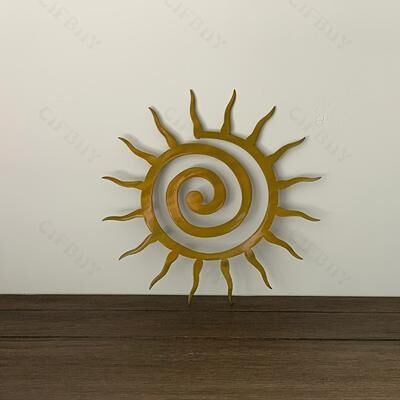
ModernMart Antique Coiled Star Metal Wall Sculpture For Outdoor Wall Decor & Rustic Garden Accent Antique Coiled Star Metal Wall Sculpture For Outdoor Wall Decor & Rustic Garden AccentTransform any blank wall into a statement of charm and personality with this beautifully crafted metal wall sculpture. Designed for homeowners who love rustic elegance, it adds depth and artistic flair to patios, verandahs, and indoor spaces alike....39,97 $*Shipping: 0,00 $Secure redirect to the provider
-
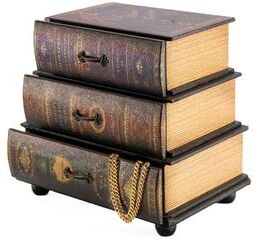
DAVEE FURNITURE "Davee Adjustable Antique Rustic Wood Bookcase - 29.5"" H x 63"" W x 12.6"" D"Maximize your storage space with the adjustable bookcase. Wood shelves and blocks stack forming beautiful voids and cubbies to house all the things in a perfectly curated manner.348,99 $*Shipping: 0,00 $Secure redirect to the provider
-
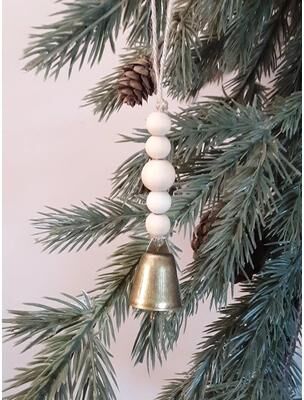
Inspire Select Vintage Hanging Cow Bells Christmas Ornaments Rustic Antique Bell Tree Decorations cow BellAdd timeless rustic charm to your holiday dcor with ornaments that capture the warmth of traditional Christmas celebrations. These beautiful vintage Christmas bell ornaments feature an antiquestyle cow bell design that brings a classic farmhouse...44,95 $*Shipping: 0,00 $Secure redirect to the provider

-
What does "laisser faire" mean?
"Laisser faire" is a French term that translates to "let do" or "let it be." It is often used in the context of economics and politics to refer to a policy of minimal government intervention in the economy. This approach advocates for free markets, limited regulation, and non-interference by the government in economic activities. The idea is that the economy will function most efficiently when left to its own devices, without excessive government control. **
-
What is the policy of laissez-faire?
Laissez-faire is an economic policy that advocates for minimal government intervention in the economy. It promotes the idea that markets should be allowed to operate freely without government interference, believing that this will lead to the most efficient allocation of resources and optimal economic outcomes. Laissez-faire policies typically involve limited regulations, low taxes, and free trade. This approach is often associated with classical liberal economic theory and is based on the belief that individuals and businesses acting in their own self-interest will ultimately benefit society as a whole. **
-
How is "attendre" conjugated differently from "faire"?
The verb "attendre" is conjugated differently from "faire" because they belong to different verb groups in French. "Attendre" is a regular -re verb, so it follows a different conjugation pattern than "faire," which is an irregular verb. For example, in the present tense, "attendre" is conjugated as j'attends, tu attends, il/elle/on attend, nous attendons, vous attendez, ils/elles attendent, while "faire" is conjugated as je fais, tu fais, il/elle/on fait, nous faisons, vous faites, ils/elles font. **
-
How is "attendre" conjugated differently than "faire"?
The verb "attendre" is conjugated differently than "faire" because they belong to different verb groups. "Attendre" is a regular -re verb, so its conjugation follows the pattern of other -re verbs like "vendre" or "rendre." On the other hand, "faire" is an irregular verb, so its conjugation does not follow a specific pattern and must be memorized. Additionally, "attendre" and "faire" have different endings and stem changes in their conjugations, further distinguishing their conjugation patterns. **
What is the correct grammatical formulation in French for "venir de faire qc" and "être en train de faire qc"?
The correct grammatical formulation in French for "venir de faire qc" is to use the verb "venir" in the present tense followed by the preposition "de" and then the infinitive form of the verb. For example, "Je viens de manger" (I have just eaten). The correct grammatical formulation in French for "être en train de faire qc" is to use the verb "être" in the present tense followed by the preposition "en train de" and then the infinitive form of the verb. For example, "Je suis en train de manger" (I am in the process of eating). **
How do you form sentences with the French verb 'faire'?
To form sentences with the French verb 'faire', you typically conjugate the verb according to the subject pronoun (je, tu, il/elle/on, nous, vous, ils/elles) and then add the infinitive form of the verb that follows. For example, "je fais du sport" (I do sports), "tu fais tes devoirs" (you do your homework), or "nous faisons la cuisine" (we cook). The verb 'faire' is irregular and does not follow the typical conjugation patterns of regular verbs in French, so it is important to memorize its conjugations. **
Top-Angebote
Products related to Faire:
-
Inspire Essentials Vintage Retro Telephone Decor Antique Style Home Accent Ornament Vintage Retro Telephone Decor Antique Style Home Accent OrnamentAdd a nostalgic charm to your space with this beautifully designed vintage telephone decor. Perfect for those who love classic aesthetics it brings a sense of history and character into any room. The aged finish and detailed craftsmanship make this...52,48 $*Shipping: 0,00 $Secure redirect to the provider
-
Uplift Picks Vintage Retro Telephone Decor Antique Style Home Desk Ornament Vintage Retro Telephone Decor Antique Style Home Desk OrnamentAdd timeless charm to your space with this beautifully crafted vintage telephone decor. Designed for those who appreciate classic aesthetics, this retro phone ornament brings a sense of nostalgia and character to any room. Its aged and weathered...85,99 $*Shipping: 0,00 $Secure redirect to the provider
-
ModernMart Antique Coiled Star Metal Wall Sculpture For Outdoor Wall Decor & Rustic Garden Accent Antique Coiled Star Metal Wall Sculpture For Outdoor Wall Decor & Rustic Garden AccentTransform any blank wall into a statement of charm and personality with this beautifully crafted metal wall sculpture. Designed for homeowners who love rustic elegance, it adds depth and artistic flair to patios, verandahs, and indoor spaces alike....39,97 $*Shipping: 0,00 $Secure redirect to the provider
-
What is the correct grammatical form of "laisser qn faire qc" and "faire qn faire qc"?
The correct grammatical form of "laisser qn faire qc" is to let someone do something. This construction uses the verb "laisser" (to let) followed by a person (qn) and an action (qc). On the other hand, the correct grammatical form of "faire qn faire qc" is to make someone do something. This construction uses the verb "faire" (to make) followed by a person (qn) and an action (qc) that they are being made to do. **
-
How do you form "venir de faire" and "être en train de faire"?
"Venir de faire" is formed by conjugating the verb "venir" in the present tense followed by the preposition "de" and the infinitive of the verb you want to express has just been done. For example, "Je viens de manger" means "I have just eaten." "Être en train de faire" is formed by conjugating the verb "être" in the present tense followed by the preposition "en train de" and the infinitive of the verb you want to express is currently being done. For example, "Je suis en train de manger" means "I am currently eating." **
-
What does "laisser faire" mean?
"Laisser faire" is a French term that translates to "let do" or "let it be." It is often used in the context of economics and politics to refer to a policy of minimal government intervention in the economy. This approach advocates for free markets, limited regulation, and non-interference by the government in economic activities. The idea is that the economy will function most efficiently when left to its own devices, without excessive government control. **
-
What is the policy of laissez-faire?
Laissez-faire is an economic policy that advocates for minimal government intervention in the economy. It promotes the idea that markets should be allowed to operate freely without government interference, believing that this will lead to the most efficient allocation of resources and optimal economic outcomes. Laissez-faire policies typically involve limited regulations, low taxes, and free trade. This approach is often associated with classical liberal economic theory and is based on the belief that individuals and businesses acting in their own self-interest will ultimately benefit society as a whole. **
Similar search terms for Faire
-
DAVEE FURNITURE "Davee Adjustable Antique Rustic Wood Bookcase - 29.5"" H x 63"" W x 12.6"" D"Maximize your storage space with the adjustable bookcase. Wood shelves and blocks stack forming beautiful voids and cubbies to house all the things in a perfectly curated manner.348,99 $*Shipping: 0,00 $Secure redirect to the provider
-
Inspire Select Vintage Hanging Cow Bells Christmas Ornaments Rustic Antique Bell Tree Decorations cow BellAdd timeless rustic charm to your holiday dcor with ornaments that capture the warmth of traditional Christmas celebrations. These beautiful vintage Christmas bell ornaments feature an antiquestyle cow bell design that brings a classic farmhouse...44,95 $*Shipping: 0,00 $Secure redirect to the provider
-
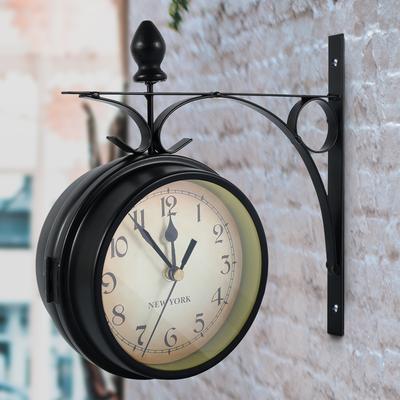
Daily Discovery Retro Double Sided Wall Clock Silent Antique Style Vintage Home Decor Retro Double Sided Wall Clock Silent Antique Style Vintage Home DecorBring classic character and functional beauty to your walls with this elegant retro wall clock designed to add a timeless touch to any space. Featuring a unique doublesided design, this decorative clock offers easy viewing from different angles...79,97 $*Shipping: 0,00 $Secure redirect to the provider
-
IH Casa Decor Woven Pvc Placemat Vintage Brown - Set of 12Featuring an eye-catching vintage pattern, these Woven PVC Placemats come in a brown color that makes them perfect to match your color scheme and interiors. Durable and versatile, you can use placemats for a variety of purposes.56,49 $*Shipping: 0,00 $Secure redirect to the provider
-
How is "attendre" conjugated differently from "faire"?
The verb "attendre" is conjugated differently from "faire" because they belong to different verb groups in French. "Attendre" is a regular -re verb, so it follows a different conjugation pattern than "faire," which is an irregular verb. For example, in the present tense, "attendre" is conjugated as j'attends, tu attends, il/elle/on attend, nous attendons, vous attendez, ils/elles attendent, while "faire" is conjugated as je fais, tu fais, il/elle/on fait, nous faisons, vous faites, ils/elles font. **
-
How is "attendre" conjugated differently than "faire"?
The verb "attendre" is conjugated differently than "faire" because they belong to different verb groups. "Attendre" is a regular -re verb, so its conjugation follows the pattern of other -re verbs like "vendre" or "rendre." On the other hand, "faire" is an irregular verb, so its conjugation does not follow a specific pattern and must be memorized. Additionally, "attendre" and "faire" have different endings and stem changes in their conjugations, further distinguishing their conjugation patterns. **
-
What is the correct grammatical formulation in French for "venir de faire qc" and "être en train de faire qc"?
The correct grammatical formulation in French for "venir de faire qc" is to use the verb "venir" in the present tense followed by the preposition "de" and then the infinitive form of the verb. For example, "Je viens de manger" (I have just eaten). The correct grammatical formulation in French for "être en train de faire qc" is to use the verb "être" in the present tense followed by the preposition "en train de" and then the infinitive form of the verb. For example, "Je suis en train de manger" (I am in the process of eating). **
-
How do you form sentences with the French verb 'faire'?
To form sentences with the French verb 'faire', you typically conjugate the verb according to the subject pronoun (je, tu, il/elle/on, nous, vous, ils/elles) and then add the infinitive form of the verb that follows. For example, "je fais du sport" (I do sports), "tu fais tes devoirs" (you do your homework), or "nous faisons la cuisine" (we cook). The verb 'faire' is irregular and does not follow the typical conjugation patterns of regular verbs in French, so it is important to memorize its conjugations. **
* All prices are inclusive of VAT and, if applicable, plus shipping costs. The offer information is based on the details provided by the respective shop and is updated through automated processes. Real-time updates do not occur, so deviations can occur in individual cases. ** Note: Parts of this content were created by AI.