Buy casa-antigo.eu ?
We are moving the project
casa-antigo.eu .
Are you interested in purchasing the domain
casa-antigo.eu ?
domain@kv-gmbh.de · 0541-91531010
Buy casa-antigo.eu ?
Is yogurt ultra-high-temperature pasteurized?
Yes, some yogurt is ultra-high-temperature (UHT) pasteurized. UHT pasteurization involves heating the yogurt to a very high temperature for a short period of time to kill harmful bacteria and extend its shelf life. This process allows the yogurt to be stored at room temperature before opening. However, not all yogurt is UHT pasteurized, so it's important to check the label if you have specific preferences. **
How are high-voltage cables distributed?
High-voltage cables are distributed through a network of transmission lines and substations. The transmission lines carry the electricity over long distances from power plants to substations, where the voltage is then stepped down for distribution to homes and businesses. The cables are typically installed on tall transmission towers or underground to minimize interference and maximize efficiency. The distribution network is carefully planned and maintained to ensure reliable and safe delivery of electricity to consumers. **

Similar search terms for Cables-Direct-Ultra-High
Top-Angebote
Products related to Cables-Direct-Ultra-High:
-
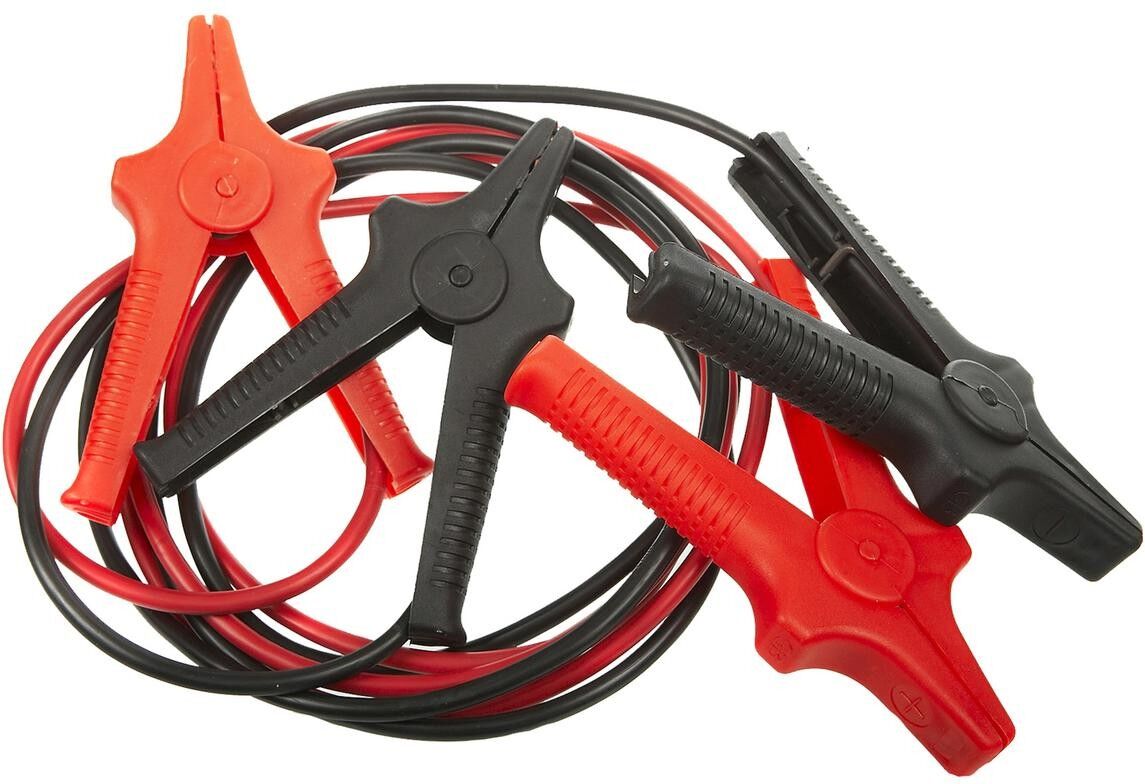
XL 551030 Jumper cablesLength [m]: 2.5; Material: Copper; for petrol engines to capacity [ccm]: 1500; Insulated: ; Supplementary Article / Supplementary Info Info 2: with storage bag, with overvoltage protection; Vehicle type: Passenger cars; Cable Cross Section [mm²]: 10; suited for engine type: Petrol Engine33,49 £*Shipping: 8,45 £Secure redirect to the provider
-
XL 551031 Jumper cablesLength [m]: 3; Material: Copper; for petrol engines to capacity [ccm]: 2500; Insulated: ; Supplementary Article / Supplementary Info Info 2: with storage bag, with overvoltage protection; Vehicle type: Passenger cars; Cable Cross Section [mm²]: 16; suited for engine type: Petrol Engine46,99 £*Shipping: 8,45 £Secure redirect to the provider
-
XL 551032 Jumper cablesLength [m]: 3.5; Material: Copper; for petrol engines to capacity [ccm]: 5500; for diesel engines to capacity [ccm]: 3000; Insulated: ; Supplementary Article / Supplementary Info Info 2: with storage bag, with overvoltage protection; Vehicle type: Passenger cars; Cable Cross Section [mm²]: 25; suited for engine type: Diesel, Petrol Engine69,99 £*Shipping: 8,45 £Secure redirect to the provider


-
How is milk ultra-high-temperature (UHT) treated?
Milk is ultra-high-temperature (UHT) treated by being heated to a temperature of around 280°F for 2-5 seconds, which effectively kills any bacteria present in the milk. The milk is then rapidly cooled and aseptically packaged in sterile containers to prevent recontamination. This process allows the milk to be stored at room temperature for several months without spoiling, making it convenient for distribution and consumption. UHT treatment also helps to preserve the nutritional content and flavor of the milk. **
-
Can the direct current cross-section be distributed across multiple cables?
Yes, direct current can be distributed across multiple cables. By connecting multiple cables in parallel, the total current can be divided among the cables, allowing for the distribution of the direct current across them. This method is commonly used in electrical systems to ensure that the current is evenly distributed and to prevent overloading of individual cables. **
-
How do I determine the polarity of cables in direct current?
To determine the polarity of cables in direct current, you can use a multimeter set to the DC voltage setting. Connect the red probe to the positive terminal of the cable and the black probe to the negative terminal. If the multimeter shows a positive reading, then the red probe is connected to the positive terminal. If the reading is negative, then the red probe is connected to the negative terminal. This method helps you identify the polarity of the cables accurately. **
-
Can high-voltage direct current be converted into low-voltage direct current?
Yes, high-voltage direct current (HVDC) can be converted into low-voltage direct current (LVDC) using a device called a voltage converter or transformer. These devices can step down the voltage level of the DC power to a lower level suitable for specific applications. This conversion process is commonly used in various industries and applications where different voltage levels are required for different devices or systems. **

Why are high voltage cables so thin?
High voltage cables are thin because the high voltage they carry creates a strong electric field around the cable. Thinner cables reduce the amount of insulation needed to contain the electric field, making them more efficient and cost-effective. Additionally, thinner cables are lighter and easier to handle, making installation and maintenance easier. Finally, thinner cables also reduce the amount of material needed, making them more environmentally friendly. **
How can high-voltage cables be secured?
High-voltage cables can be secured using a variety of methods. One common way is to use cable clamps or brackets to fasten the cables to a structure such as a pole or a wall. Additionally, cable trays or cable ladders can be used to support and secure the cables along their route. It is important to ensure that the cables are properly supported and insulated to prevent any damage or safety hazards. Finally, regular inspections and maintenance should be conducted to ensure that the cables remain secure and in good condition. **
Top-Angebote
Products related to Cables-Direct-Ultra-High:
-
Drinkpod Under Sink Drinking Water Filter System, 20K Ultra High Capacity NSF/ANSI 42 Certified, Direct Connect Under Counter️ 【𝗘𝗮𝘀𝘆 𝗜𝗻𝘀𝘁𝗮𝗹𝗹𝗮𝘁𝗶𝗼𝗻 & 𝗛𝗶𝗴𝗵 𝗙𝗹𝗼𝘄 𝗥𝗮𝘁𝗲】---Less than $39.99 per replacement filter ,saves over 40% of the cost on subsequent use. Easy to install with clear instructions and video.61,49 $*Shipping: 0,00 $Secure redirect to the provider
-
XL 551030 Jumper cablesLength [m]: 2.5; Material: Copper; for petrol engines to capacity [ccm]: 1500; Insulated: ; Supplementary Article / Supplementary Info Info 2: with storage bag, with overvoltage protection; Vehicle type: Passenger cars; Cable Cross Section [mm²]: 10; suited for engine type: Petrol Engine33,49 £*Shipping: 8,45 £Secure redirect to the provider
-
Is yogurt ultra-high-temperature pasteurized?
Yes, some yogurt is ultra-high-temperature (UHT) pasteurized. UHT pasteurization involves heating the yogurt to a very high temperature for a short period of time to kill harmful bacteria and extend its shelf life. This process allows the yogurt to be stored at room temperature before opening. However, not all yogurt is UHT pasteurized, so it's important to check the label if you have specific preferences. **
-
How are high-voltage cables distributed?
High-voltage cables are distributed through a network of transmission lines and substations. The transmission lines carry the electricity over long distances from power plants to substations, where the voltage is then stepped down for distribution to homes and businesses. The cables are typically installed on tall transmission towers or underground to minimize interference and maximize efficiency. The distribution network is carefully planned and maintained to ensure reliable and safe delivery of electricity to consumers. **
-
How is milk ultra-high-temperature (UHT) treated?
Milk is ultra-high-temperature (UHT) treated by being heated to a temperature of around 280°F for 2-5 seconds, which effectively kills any bacteria present in the milk. The milk is then rapidly cooled and aseptically packaged in sterile containers to prevent recontamination. This process allows the milk to be stored at room temperature for several months without spoiling, making it convenient for distribution and consumption. UHT treatment also helps to preserve the nutritional content and flavor of the milk. **
-
Can the direct current cross-section be distributed across multiple cables?
Yes, direct current can be distributed across multiple cables. By connecting multiple cables in parallel, the total current can be divided among the cables, allowing for the distribution of the direct current across them. This method is commonly used in electrical systems to ensure that the current is evenly distributed and to prevent overloading of individual cables. **
Similar search terms for Cables-Direct-Ultra-High
-
XL 551031 Jumper cablesLength [m]: 3; Material: Copper; for petrol engines to capacity [ccm]: 2500; Insulated: ; Supplementary Article / Supplementary Info Info 2: with storage bag, with overvoltage protection; Vehicle type: Passenger cars; Cable Cross Section [mm²]: 16; suited for engine type: Petrol Engine46,99 £*Shipping: 8,45 £Secure redirect to the provider
-
XL 551032 Jumper cablesLength [m]: 3.5; Material: Copper; for petrol engines to capacity [ccm]: 5500; for diesel engines to capacity [ccm]: 3000; Insulated: ; Supplementary Article / Supplementary Info Info 2: with storage bag, with overvoltage protection; Vehicle type: Passenger cars; Cable Cross Section [mm²]: 25; suited for engine type: Diesel, Petrol Engine69,99 £*Shipping: 8,45 £Secure redirect to the provider
-
XL 551045 Jumper cablesQuantity: 2; Supplementary Article / Supplementary Info Info 2: with storage bag, with overvoltage protection; Material: Copper; Length [m]: 4.5; Cable Cross Section [mm²]: 35; suited for engine type: Diesel, Petrol Engine75,49 £*Shipping: 8,45 £Secure redirect to the provider
-
AMiO 02891 Jumper cablesColour: red, black; Current Strength to [A]: 1800; Cable Length [m]: 6; Material: Copper; Vehicle type: Passenger cars; suited for engine type: Petrol Engine, Diesel; Supplementary Article / Supplementary Info Info 2: with storage bag36,49 £*Shipping: 8,45 £Secure redirect to the provider
-
How do I determine the polarity of cables in direct current?
To determine the polarity of cables in direct current, you can use a multimeter set to the DC voltage setting. Connect the red probe to the positive terminal of the cable and the black probe to the negative terminal. If the multimeter shows a positive reading, then the red probe is connected to the positive terminal. If the reading is negative, then the red probe is connected to the negative terminal. This method helps you identify the polarity of the cables accurately. **
-
Can high-voltage direct current be converted into low-voltage direct current?
Yes, high-voltage direct current (HVDC) can be converted into low-voltage direct current (LVDC) using a device called a voltage converter or transformer. These devices can step down the voltage level of the DC power to a lower level suitable for specific applications. This conversion process is commonly used in various industries and applications where different voltage levels are required for different devices or systems. **
-
Why are high voltage cables so thin?
High voltage cables are thin because the high voltage they carry creates a strong electric field around the cable. Thinner cables reduce the amount of insulation needed to contain the electric field, making them more efficient and cost-effective. Additionally, thinner cables are lighter and easier to handle, making installation and maintenance easier. Finally, thinner cables also reduce the amount of material needed, making them more environmentally friendly. **
-
How can high-voltage cables be secured?
High-voltage cables can be secured using a variety of methods. One common way is to use cable clamps or brackets to fasten the cables to a structure such as a pole or a wall. Additionally, cable trays or cable ladders can be used to support and secure the cables along their route. It is important to ensure that the cables are properly supported and insulated to prevent any damage or safety hazards. Finally, regular inspections and maintenance should be conducted to ensure that the cables remain secure and in good condition. **
* All prices are inclusive of VAT and, if applicable, plus shipping costs. The offer information is based on the details provided by the respective shop and is updated through automated processes. Real-time updates do not occur, so deviations can occur in individual cases. ** Note: Parts of this content were created by AI.